

Best Gloves for Working in a Freezer: Ratings and Picks
Published by Harmony Lab & Safety Supplies on Mar 06, 2025
Updated October 2026 · Reviewed by Jeff B., Safety Products Specialist
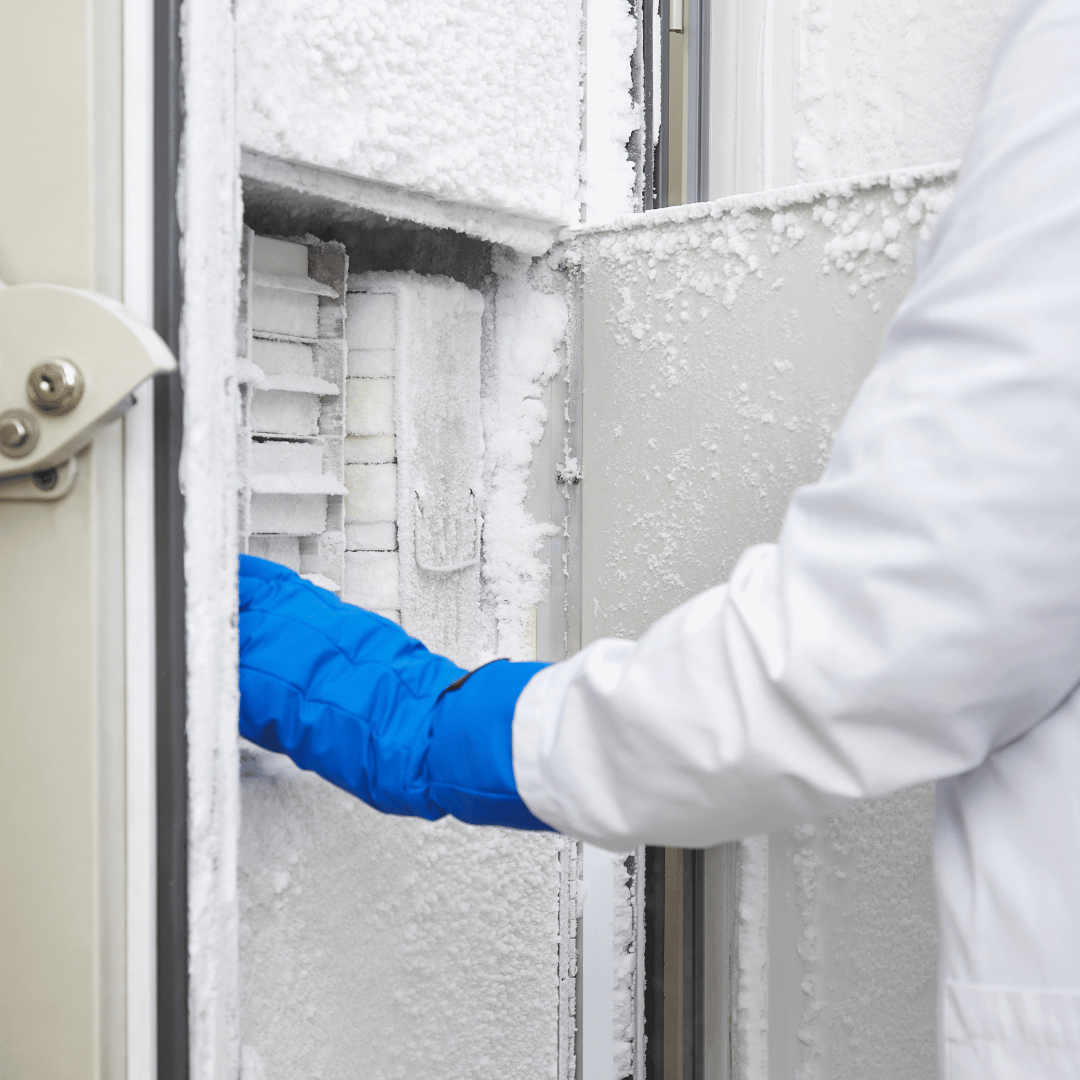
The best gloves for freezer work are insulated, coated gloves with a tested contact-cold rating: a thermal acrylic or fleece liner to hold heat, a nitrile or latex coating for grip on frosty boxes, and cut protection if workers open cases or handle strapping. Look for EN 511 on the label, which tells you how well the glove resists cold air and cold surfaces, and choose a fully coated glove if hands will meet ice, condensation or wet product.
How to Read an EN 511 Cold Rating
EN 511 is the European test standard for gloves that protect against cold. The label shows three digits:
| Digit | What it measures | Scale |
|---|---|---|
| 1st | Convective cold (cold air) | 0 to 4 |
| 2nd | Contact cold (holding cold objects) | 0 to 4 |
| 3rd | Water permeability | 0 = water passes within 30 minutes; 1 = it does not |
An X means that property was not tested. Higher numbers insulate better. For freezer pickers who handle frozen cases all shift, the second digit (contact cold) matters most; a rating of X2X means level 2 contact-cold protection.
What to Look For in Freezer Gloves
- Liner: brushed acrylic, fleece or Thinsulate. Heavier-gauge (lower number) knit liners are warmer; finer liners give more dexterity.
- Coating: a full or double coating keeps meltwater and condensation out. A palm-only coating breathes better but lets moisture in through the back.
- Grip: foam or sandy finishes hold better on frosty cardboard and shrink wrap than smooth coatings.
- Cut level: if workers open cases or handle metal strapping, choose ANSI A2 or higher.
- Visibility: hi-vis shells help where forklifts run in dim freezer aisles.
- Fit: snug, not tight. A tight glove limits blood flow and makes hands colder.
Freezer Gloves We Stock
| Glove | Cold rating | Cut | Coating | Good for |
|---|---|---|---|---|
| Arctic Tuff Nitrile Double-Coated Thermal | EN 511 X2X | ANSI A2 | Full smooth nitrile, double-dipped | Wet or icy product; waterproof coating |
| Arctic Tuff Latex Double-Coated Thermal, Hi-Vis | EN 511 X2X | ANSI A2 | Two layers of foam latex | Grip on frosty cases; visibility near forklifts |
| Arctic Tuff Thermal Foam Latex Coated | EN 511 02X | ANSI A2 | Foam latex palm | General picking; seamless 7-gauge shell |
| Portwest A646 Nitrile Coated Heat Winter Glove | EN 511 level 2 contact cold | ANSI A4 | Sandy nitrile | Higher cut risk; also rated for contact heat |
| Portwest A776 PW3 Winter Touchscreen Glove | Not stated | Not stated | Synthetic leather, waterproof membrane | Supervisors and scanner users who need touchscreens |
| Lightning Gear Reinforcer Winter Mechanic's Glove | Not stated | Not stated | Thinsulate-lined mechanic's glove | Maintenance work in cold rooms |
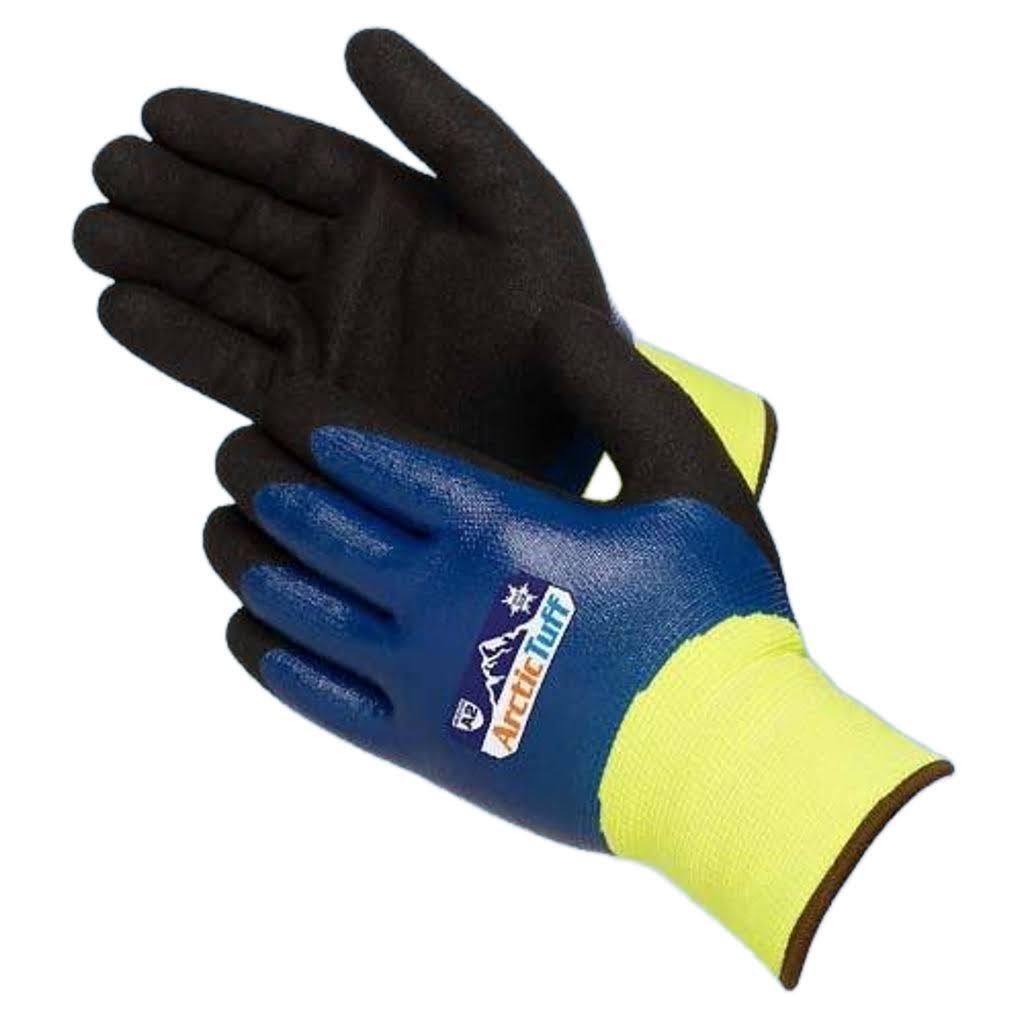
The Arctic Tuff gloves are sold in 12-pair packs, which suits teams that change gloves when they get wet. See all winter work gloves.
Keep Hands Dry and Warm Through a Shift
- Swap gloves when they get damp. Wet gloves lose insulation fast, and wet skin loses heat much faster than dry skin.
- Keep a spare pair warming outside the freezer and rotate at breaks.
- Use a thin liner under the work glove for extra warmth if dexterity allows.
- Inspect coatings for cracks; a cracked coating lets meltwater reach the liner.
Know the Signs of Cold Injury
According to CDC/NIOSH, early frostbite shows as numbness, tingling or stinging, and pale or waxy skin. Move the worker somewhere warm, warm the area gently (warm, not hot, water or body heat) and do not rub it. Gloves are one part of a cold-stress plan that also includes warm breaks and training; see OSHA's cold stress guide.
FAQ
What gloves are best for working in a freezer?
An insulated glove with an EN 511 contact-cold rating, a nitrile or latex coating for grip and, if you handle cases, ANSI A2 cut resistance or higher.
Are waterproof gloves necessary in a freezer?
If hands meet ice, condensation or thawing product, yes: choose a fully coated glove. For dry, frozen cases, a palm-coated glove breathes better.
What does EN 511 X2X mean?
Level 2 protection against contact cold; convective cold and water permeability were not tested.
How often should freezer gloves be changed?
Whenever they get wet or the coating cracks, and at each warm break if hands feel cold.
Sources: CDC/NIOSH, Cold-related illnesses in workers; OSHA Cold Stress Guide; EN 511 scale per Watson Gloves. Ratings from each Harmony listing.