
Best Gloves for Handling Firewood and Splitting Wood
Published by Harmony Lab & Safety Supplies on Feb 10, 2025
Updated October 2026 · Reviewed by Jeff B., Safety Products Specialist
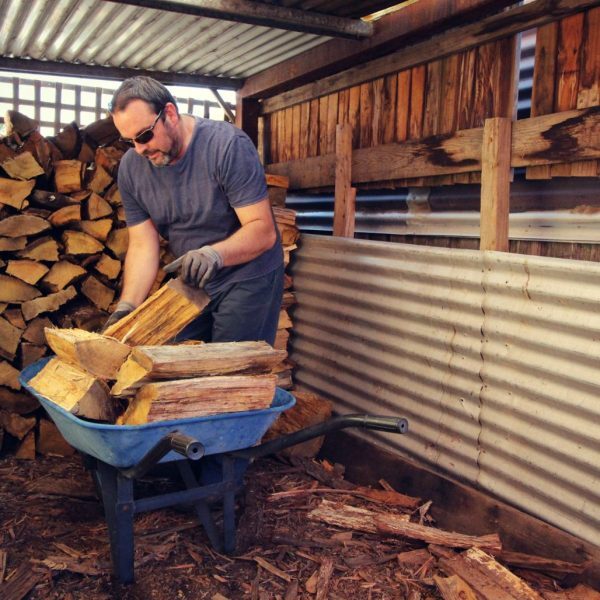
For handling and stacking firewood, a leather glove is still the best all-round choice: cowhide or pigskin stops splinters and rough bark, and a double palm or gauntlet cuff adds protection where logs rub. If you need more grip, or you handle split wood with sharp edges, a coated cut-resistant glove with a rough or sandy finish holds better than leather and resists cuts. In cold weather, choose a lined leather glove.
Leather or Coated: Which Is Better for Firewood?
| Leather | Coated cut-resistant knit | |
|---|---|---|
| Splinters | Best; thick hide stops most | Good on the coated palm; the knit back can let splinters through |
| Grip | Good when dry; slick when wet or worn | Best, especially rough latex or sandy nitrile |
| Cut resistance | Varies; usually not rated | Rated (ANSI A3 to A6 in our picks) |
| Warmth | Good; lined versions for winter | Low unless insulated |
| Wet wood | Stiffens as it dries | Rubber or nitrile coating sheds water |
Many people keep both: leather for carrying and stacking, a coated glove for splitting and loading.
Gloves We Stock for Firewood and Lumber
- Premium Leather Drivers Glove with Double Palm: cowhide with a second palm layer and Kevlar stitching; the pick for stacking and carrying.
- Leather Palm Glove with Gauntlet Cuff: cowhide palm with a long cuff that keeps bark and splinters off the wrists when you carry wood against your arms.
- Goatskin Drivers Glove: softer and more flexible, for kindling and lighter work.
- Insulated Cowhide Driver Glove, Fleece Lined: for winter wood runs.
- Showa Atlas KV300 Latex Coated Kevlar Glove, Cut Level A3: rough rubber grip, wet and dry, with ANSI A3 cut and level 4 puncture ratings.
- Ultra-U Sandy Nitrile Coated Glove, Cut Level A6: high cut resistance and a sandy grip for sharp split edges and rough lumber.
Browse all leather gloves or cut-resistant gloves.
Splitting, Chopping and Chainsaws
- For splitting with an axe or maul, choose a glove with a good grip on the handle; worn, slick leather can let the handle slip.
- For chainsaw work, ordinary work gloves are not chainsaw protection. Use chainsaw-rated gloves and chaps, plus eye, face and hearing protection.
- Keep the hand that steadies a log well clear of the swing.
Other Firewood Safety Tips
- Wear safety glasses when splitting; chips and bark fly.
- Lift with your legs and carry smaller loads; back strain is a common firewood injury.
- Shake out stored wood and wear gloves when reaching into a pile; insects and spiders often nest in stacks.
- Replace leather gloves when the palm wears thin, since splinters come through worn spots first.
FAQ
What gloves are best for handling firewood?
A cowhide or pigskin leather glove, ideally with a double palm or gauntlet cuff. Choose a rough-coated, cut-resistant glove if you need more grip.
Do leather gloves stop splinters?
Most of them. Thick, undamaged leather stops ordinary splinters; worn spots and the seams are where they get through.
What gloves are best for handling lumber?
Coated cut-resistant gloves grip boards well and protect against sharp edges; leather palm gloves are better for rough-sawn wood with splinters.
Are disposable gloves OK for firewood?
No. Nitrile or latex disposables tear on bark and offer no splinter protection.