
Best Gloves for Dentists & Dental Hygienists
Published by Harmony Lab & Safety Supplies on Apr 02, 2026
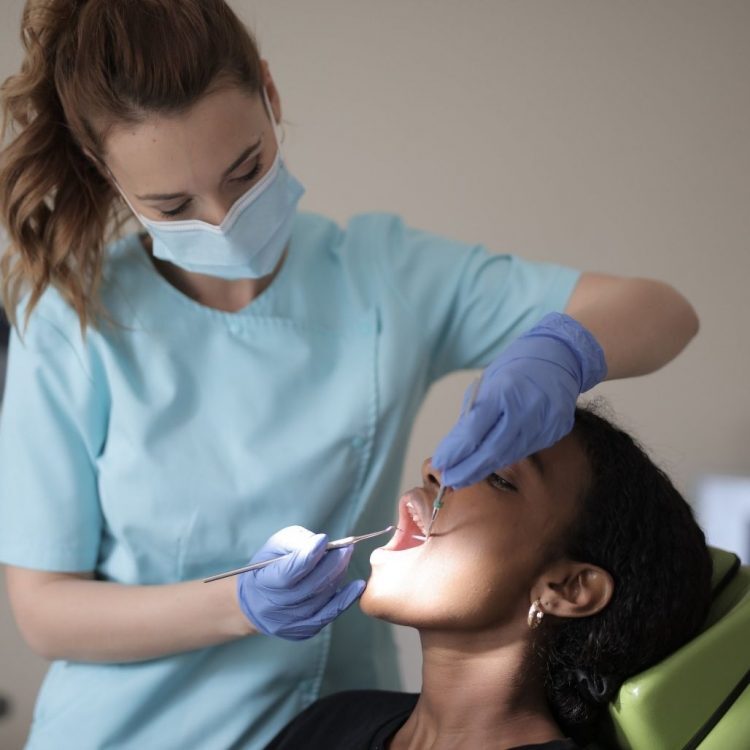
Best Gloves for Dentists and Dental Hygienists: Why Most Practices Choose Nitrile
Choosing the right exam gloves is an important part of running a safe, efficient dental practice. Dentists, dental hygienists, and office managers need gloves that offer dependable barrier protection, good comfort during long procedures, and a material choice that works well for both staff and patients.
For most dental practices, nitrile exam gloves are the best everyday choice. They offer a strong balance of comfort, durability, and latex-free protection, which is why many dental offices now use nitrile as their standard glove. Latex and vinyl still have their place, but for most buyers, nitrile is the best place to start.
What Kind of Gloves Do Dentists and Dental Hygienists Use?
Most dentists and dental hygienists use nitrile exam gloves for everyday patient care. Over time, many practices have moved toward nitrile because it offers reliable barrier protection, comfortable fit, and fewer concerns around latex sensitivity.
Why nitrile is the most common choice
Nitrile is widely used in dental settings because it performs well across routine exams, cleanings, and many common procedures. It offers dependable protection without requiring a latex-based material standard.
Why many practices have moved away from latex-first use
Latex gloves are still used in some dental offices, but concerns about latex sensitivities among patients and staff have led many practices to choose nitrile as the default glove for day-to-day use.
Why dental settings need reliable exam glove protection
Dental professionals work in close contact with patients and need gloves that help support hygiene, reduce exposure concerns, and hold up well through routine clinical use. That makes consistent glove quality and fit especially important.
Why Nitrile Gloves Are Usually the Best Choice for Dental Practices
For most dental offices, nitrile gloves offer the best overall combination of practical benefits. That is why they are often the first material considered when a practice is choosing a standard exam glove.
Latex-free protection for staff and patients
One of the biggest advantages of nitrile is that it is latex-free. This helps simplify glove selection in offices that want to reduce the chance of latex-related issues for either staff or patients.
Strong barrier performance for everyday procedures
Nitrile exam gloves are trusted for routine dental work because they provide reliable barrier protection and hold up well in everyday clinical settings.
Comfort and dexterity for dentists and hygienists
Dental professionals need gloves that feel comfortable during repeated use and still allow the control needed for detailed work. Nitrile gloves are often chosen because they balance protection with practical wearability.
A dependable standard for most dental offices
For many practices, nitrile is simply the easiest material to standardize around. It works well for a wide range of users and situations, which makes ordering and stocking easier.
When Latex Gloves Still Make Sense in Dental Settings
Latex gloves still have a place in some dental environments, especially for professionals who prefer their feel and flexibility. However, they are no longer the first choice for many practices.
Why some professionals still like latex
Some dentists and hygienists prefer latex because of its fit, stretch, and tactile feel. In practices where staff are comfortable using latex and allergy concerns are well managed, it may still be stocked.
The downside: latex sensitivity concerns
Latex sensitivity remains one of the biggest reasons practices move away from latex as a default material. A dental office needs to be prepared for patients or team members who may react to latex contact.
Why offices should still keep latex-free options available
Even if a practice still uses latex gloves in some situations, it is wise to have latex-free options such as nitrile or vinyl available so staff can respond appropriately when sensitivity is a concern.
When Vinyl Gloves May Be the Better Fit
Vinyl gloves can be a useful alternative in some dental offices, especially when a latex-free option is needed and cost is a factor. However, they are usually not the first-choice standard when compared with nitrile.
A latex-free alternative for selected tasks
Vinyl gloves can help support practices that want a latex-free option for selected lower-risk or shorter-duration uses.
Where vinyl fits best in a dental office
Some offices keep vinyl gloves on hand as an alternative material option, especially when accommodating staff preference, patient sensitivity concerns, or value-driven purchasing decisions.
Limitations compared with nitrile
While vinyl can be useful, nitrile is still usually the stronger all-around choice for dental practices because it generally offers a better balance of fit, durability, and everyday performance.
How to Choose the Right Gloves for Your Dental Practice
The best glove for a dental office depends on more than just price. Practices should think about how the gloves will be used, who will be wearing them, and whether patient or staff sensitivities need to be considered.
Consider staff comfort and fit
Gloves that fit well and feel comfortable during long shifts are more likely to be accepted and used consistently by dentists and hygienists.
Think about barrier protection and durability
A dental glove should offer reliable everyday protection and perform well during routine patient care. For many offices, that is one of the main reasons nitrile becomes the preferred standard.
Plan for latex-sensitive patients or team members
If a patient has a latex allergy or a staff member prefers a latex-free option, the office should be ready with nitrile or vinyl gloves that can be used immediately.
Standardize where possible, but keep alternatives on hand
Many offices simplify purchasing by making nitrile the standard glove while still keeping some latex or vinyl options available for preference, fit, or sensitivity-related situations.
Top Exam Gloves for Dentists and Dental Hygienists
Below are strong glove options for dental offices, organized in a way that better supports real buying decisions.
Best everyday nitrile exam gloves
Synguard Blue Nitrile Exam Gloves are a strong everyday option for dental professionals who want dependable barrier protection in a powder-free, latex-free glove.
Bioskin Blue Nitrile Exam Gloves offer a comfortable 4.0 mil construction that works well for daily use in many dental settings.
Rival Blue Nitrile Exam Gloves provide another dependable 4.0 mil nitrile option for routine practice use.
Ansell SU-690 Microflex Nitrile Exam Gloves are a trusted choice for offices that want a recognized nitrile exam glove brand.
Best thicker nitrile option for added protection
Kimberly-Clark Purple Nitrile Medical Gloves offer a thicker 6.0 mil option for dental professionals who want added confidence and durability.
Latex-free value options
Basic Medical Vinyl Exam Gloves and Basic Medical Vinyl Blue Exam Gloves provide latex-free alternatives for offices that want additional glove options available.
Accutouch Vinyl Exam Gloves offer another powder-free vinyl option for offices seeking a latex-free backup material.
What to Do About Latex Sensitivity in a Dental Office
Latex sensitivity is one of the biggest reasons practices move toward nitrile-first glove purchasing. Because dental professionals work in close contact with patients, planning ahead matters.
Why asking about latex allergy matters
Dental offices should be aware of whether patients have a known latex allergy or sensitivity so they can avoid unnecessary exposure during care.
Why nitrile helps simplify office glove selection
Because nitrile is latex-free and performs well in dental settings, it helps many offices simplify their everyday glove strategy without sacrificing quality or confidence.
Why practices may still stock more than one glove material
Even if nitrile is the standard, some offices still keep latex or vinyl gloves available to accommodate preference, fit, or specific purchasing considerations.
Do Dental Hygienists Need to Wear Gloves?
Yes. Dental hygienists need to wear disposable gloves as part of routine patient care. Gloves help support hygiene and act as a protective barrier during exams, cleanings, and other dental procedures.
In most practices, hygienists use nitrile exam gloves provided by the employer, though some offices may offer multiple material choices depending on office policy and user preference.
Where to Buy Dental Gloves
Harmony Lab & Safety Supplies is a trusted source for dental gloves and wholesale disposable exam gloves. We supply nitrile, latex, and vinyl glove options for dentists, hygienists, orthodontists, and other medical professionals.
If your practice is unsure which gloves to standardize on, nitrile is usually the best starting point for balancing protection, comfort, and latex-free peace of mind. If you need help choosing, our team can help you compare options for your office.
Frequently Asked Questions About Dental Gloves
What gloves do dentists use most often?
Most dentists and dental hygienists use nitrile exam gloves because they offer a strong balance of protection, comfort, and latex-free safety.
Are nitrile gloves better than latex for dentists?
For many practices, yes. Nitrile is often the better default choice because it is latex-free and works well as an all-purpose exam glove in dental settings.
Do dental hygienists need to wear gloves?
Yes. Gloves are a standard part of routine dental hygiene and patient care procedures.
What if a patient has a latex allergy?
The office should use a latex-free glove option such as nitrile or vinyl to help avoid latex exposure during care.
Are vinyl gloves okay for dental offices?
Vinyl gloves can be a useful latex-free alternative in some situations, but nitrile is usually the better all-around choice for most dental practices.
What thickness is best for dental exam gloves?
That depends on the office’s preference and procedure type, but many practices use gloves in the 4.0 mil range for everyday work and may choose thicker nitrile options when they want added durability.
Conclusion
For most dental practices, nitrile exam gloves are the best standard choice because they offer dependable barrier protection, strong comfort, and latex-free peace of mind. Latex and vinyl can still have a place, but nitrile is usually the best starting point for dentists, hygienists, and practice buyers.
If your office is updating its glove standard or comparing options for staff and patients, start with nitrile and keep alternative materials available as needed. Explore Harmony’s selection to find the right fit for your practice.