
Best Hair Dye Gloves
Published by Harmony Lab & Safety Supplies on Feb 09, 2025
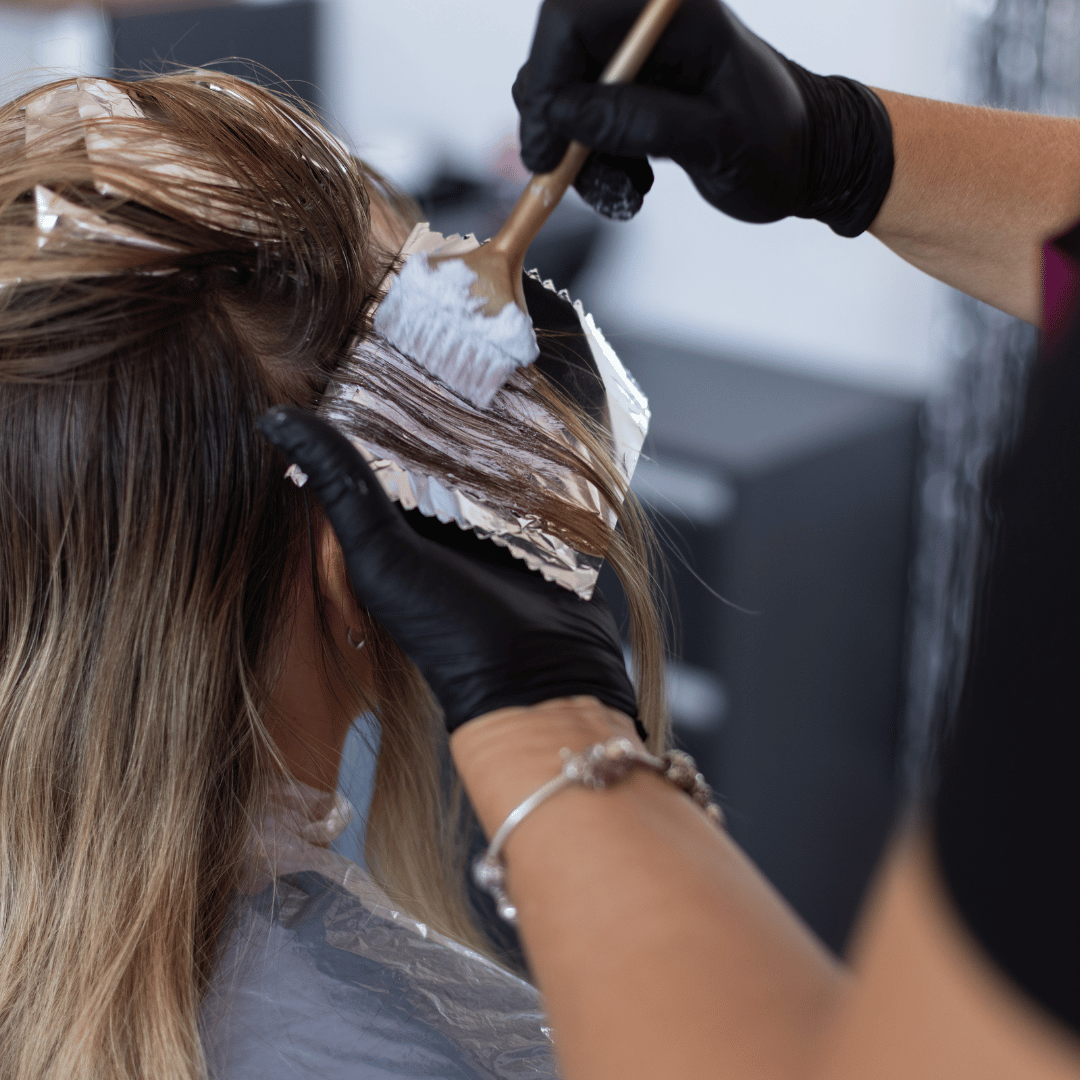
Best Gloves for Hair Dye: Why Nitrile Is the Top Choice for Coloring, Bleaching, and Salon Use
The best gloves for hair dyeing are usually nitrile gloves. They offer better chemical resistance, better durability, and better protection against staining than cheaper alternatives like vinyl. For salon professionals and at-home users alike, the right glove helps keep hands protected, improves grip during application, and makes cleanup easier.
Choosing the right hair dye gloves is not just about avoiding stained hands. It also affects skin comfort, control during application, chemical exposure, and how professional and efficient the overall process feels.
Short Answer: What Gloves Should You Use for Hair Dye?
Best overall: nitrile gloves
Nitrile gloves are usually the best choice for hair dye because they offer strong chemical resistance, good durability, and reliable protection against staining.
Best salon look and stain-hiding option: black nitrile gloves
Black nitrile gloves are especially popular in salons because they look professional and hide dye, bleach, and toner stains better than lighter-colored gloves.
Best comfort option: softer pink or skin-comfort nitrile gloves
If comfort matters most during long color appointments, softer nitrile gloves or skin-comfort nitrile options can be a strong choice.
Not recommended: vinyl gloves for dye work
Vinyl gloves are generally not the best choice for hair dyeing because they offer weaker chemical resistance and less durability than nitrile.
Why Glove Choice Matters for Hair Dyeing
Protecting skin from staining and irritation
Hair dye, bleach, and developer can stain skin and may irritate hands during repeated exposure. Gloves help create a protective barrier between your skin and those chemicals.
Reducing contact with dye, bleach, and developer
Whether you are mixing color, applying bleach, or rinsing toner, the right glove helps reduce direct contact with salon chemicals.
Improving grip and control during application
A glove that fits well and offers a good grip makes it easier to section hair, hold tools, and apply color more precisely.
Keeping color services cleaner and more professional
Gloves help prevent color from getting under your nails or spreading to unintended surfaces, which makes the whole process cleaner and more professional-looking.
Why Nitrile Gloves Are Usually Best for Hair Dye
Nitrile gloves are usually the best overall choice for hair-color work because they combine chemical resistance, durability, and latex-free compatibility.
Better chemical resistance than vinyl
Nitrile stands up better to dye, bleach, and developer than vinyl, which is one of the main reasons salon professionals often prefer it.
Better durability for messy color sessions
Hair coloring can involve repeated contact with chemicals, wet hair, brushes, bowls, clips, and foils. Nitrile gloves are better suited to that kind of hands-on work.
Latex-free protection
Nitrile is latex-free, which makes it a safer recommendation for users with latex concerns or mixed-use salon environments.
A better fit for salon and beauty workflows
Because nitrile is available in a wide range of fits, colors, and thicknesses, it works well for salons, beauty schools, mobile stylists, and at-home dye users alike.
Can You Use Latex Gloves for Hair Dye?
Yes, latex gloves can be used for hair dyeing, but they are not always the best default recommendation.
Where latex can still work
Latex can work for color application when comfort, flexibility, and tactile sensitivity are priorities and latex sensitivity is not a concern.
Benefits of latex gloves
- Soft, flexible fit
- Good touch sensitivity
- Comfortable feel for detailed hand work
Why nitrile is usually the safer recommendation
Nitrile is usually the better recommendation because it avoids latex concerns and is more broadly trusted for repeated chemical-contact tasks like hair dyeing.
Why Vinyl Gloves Are Not the Best Choice for Hair Dye
Lower durability
Vinyl gloves are generally less durable than nitrile, which can be a problem during messy, hands-on color services.
Weaker chemical resistance
Hair dyeing involves repeated exposure to chemicals, and vinyl is not the strongest option for that kind of work.
Why they are not ideal for dye, bleach, or longer color services
If you are working through a full color service, bleach application, or long appointment, nitrile is usually the more dependable choice.
Best Hair Dye Gloves by Use Case
Best for professional salon color services
Black nitrile gloves are often the best fit for salon color work because they look professional and hide stains from dye and bleach.
Best for bleach and developer handling
Stronger nitrile gloves are usually the best choice when handling bleach, developer, and other more aggressive salon chemicals.
Best for long color appointments
Comfort-focused nitrile gloves are a good option when the service involves repeated handling over a longer session.
Best for sensitive skin
Skin-comfort nitrile gloves are often the best choice for stylists or users who wear gloves often and want extra hand comfort.
Best budget nitrile option
Value-priced black nitrile gloves can be a strong option for salons that want the right material without overspending on every box.
How to Choose the Right Hair Dye Gloves
- Want the best all-around glove? Choose nitrile.
- Want a professional salon look that hides stains? Choose black nitrile.
- Want more comfort for long sessions? Choose a softer or skin-comfort nitrile glove.
- Want the lowest-cost option that is still suitable for dye work? Choose a value nitrile glove.
- Avoid flimsy gloves for serious color work. Vinyl is usually not the best choice for dye and bleach services.
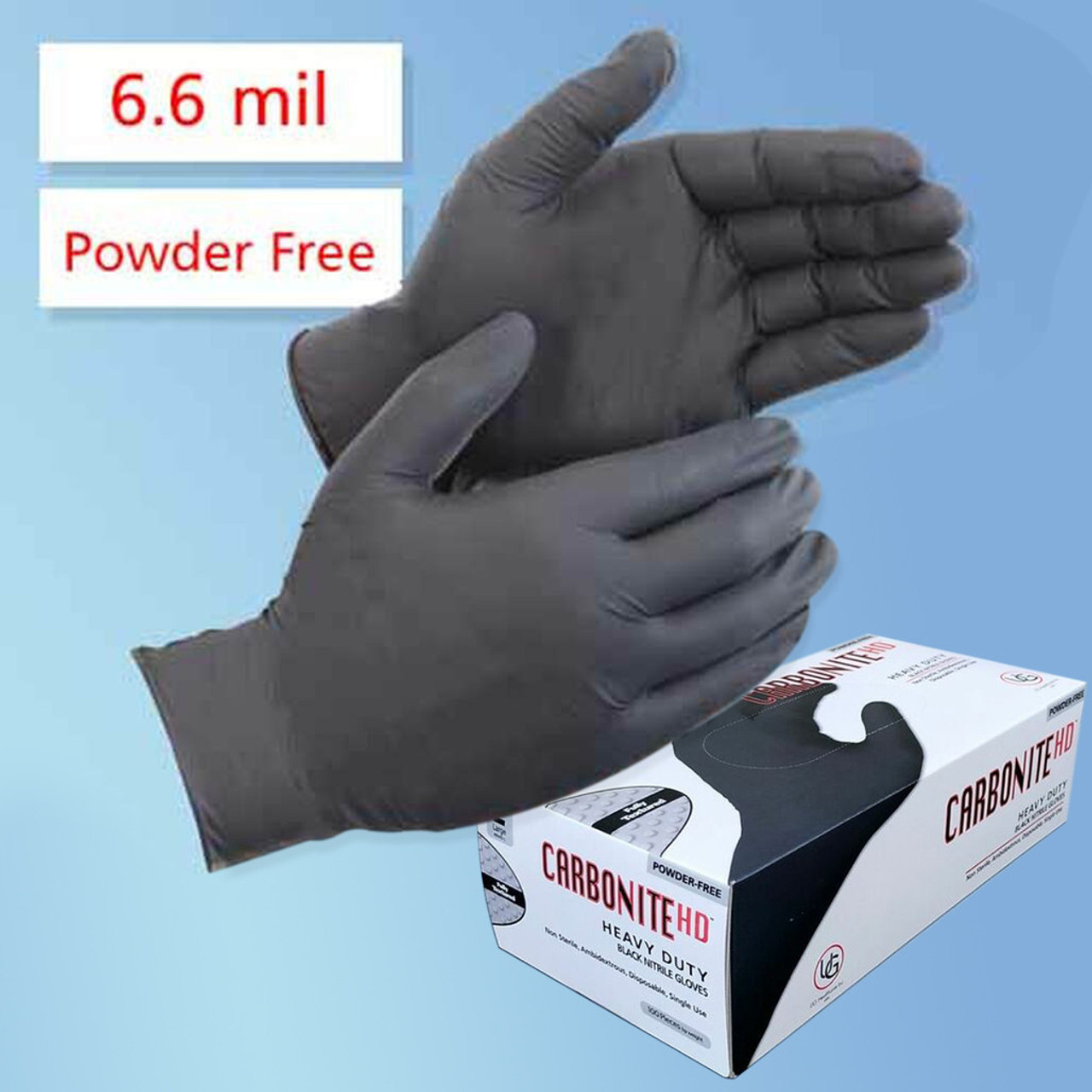
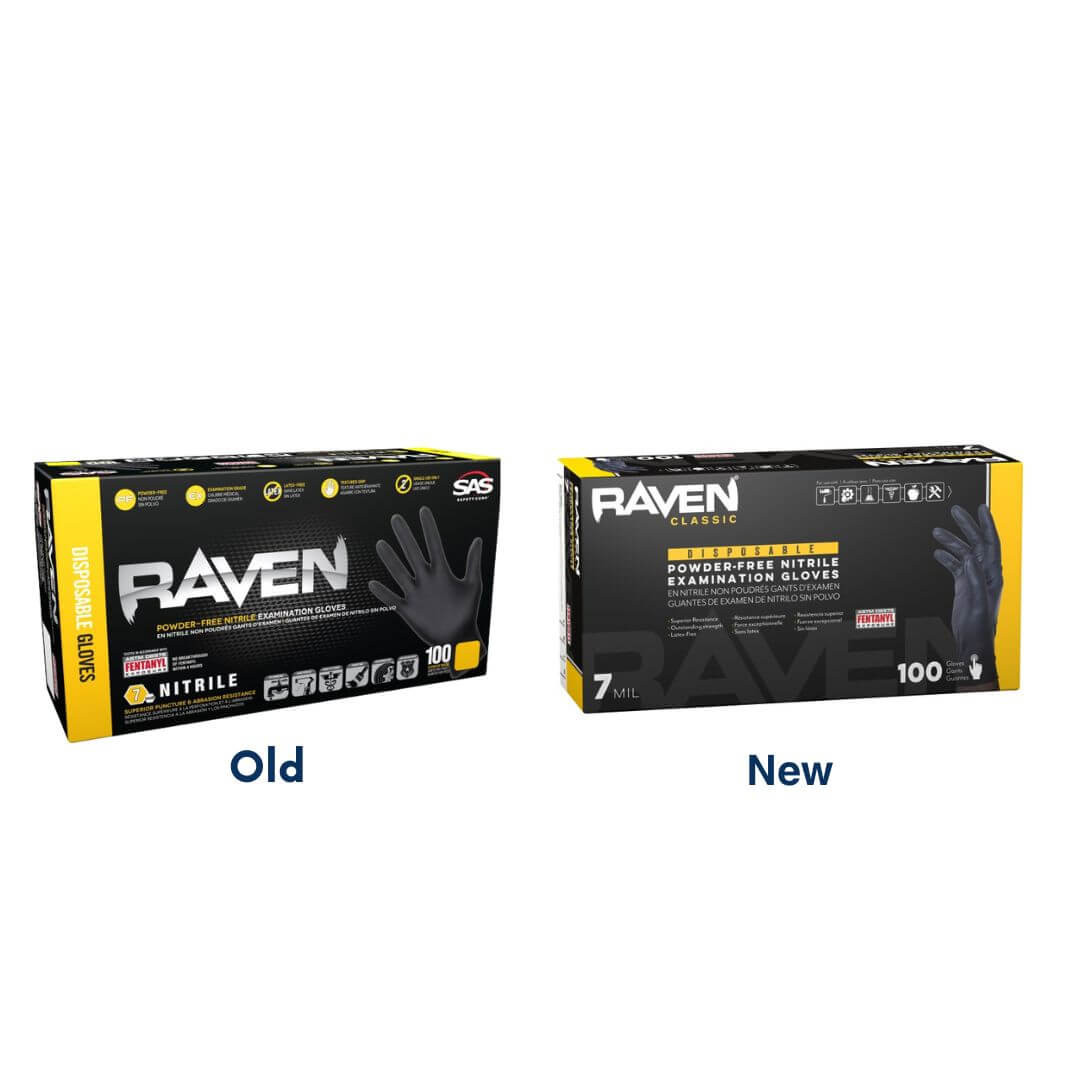
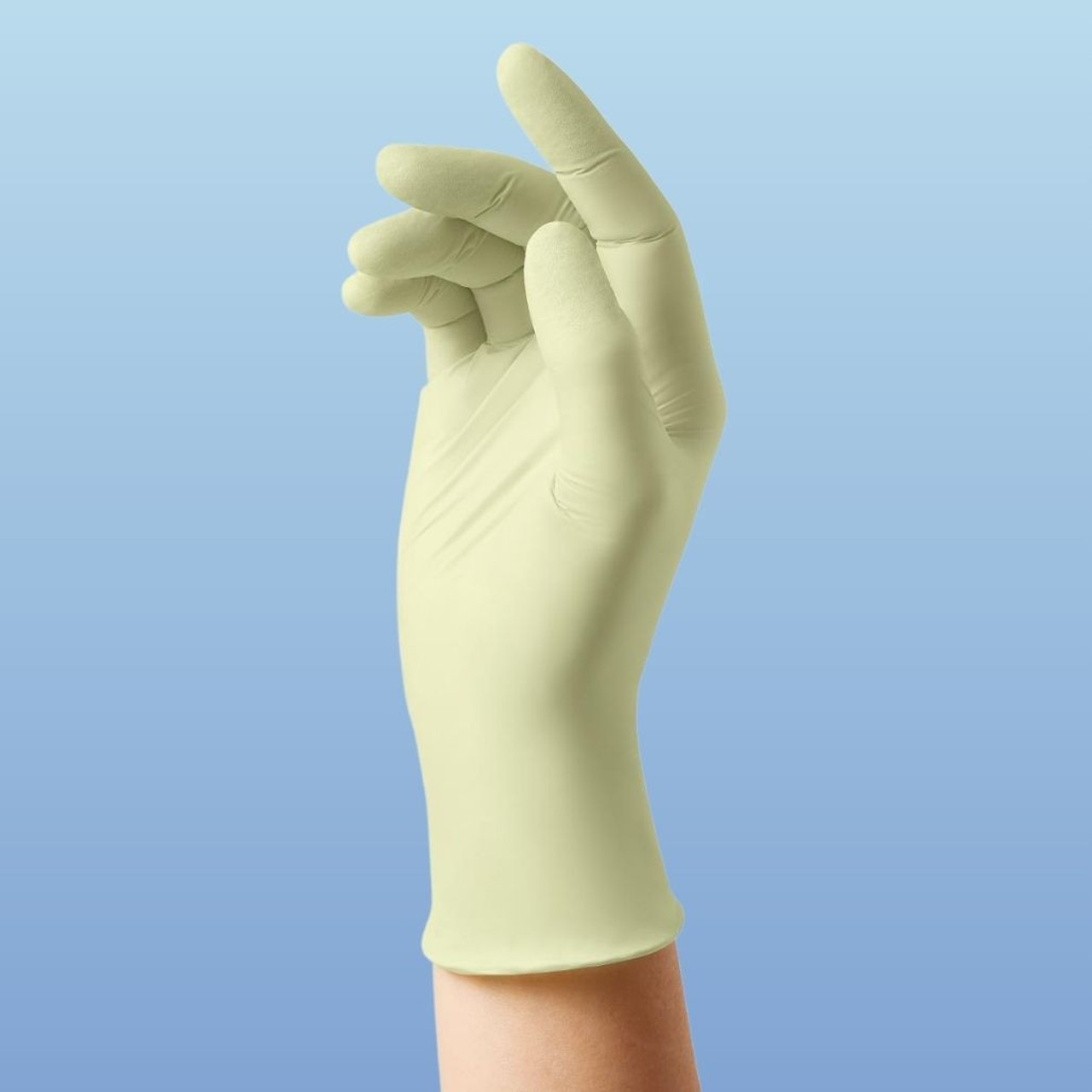
Top Hair Dye Glove Recommendations



Best Practices for Using Hair Dye Gloves
Put gloves on before mixing dye
Always put gloves on before you begin mixing color, bleach, or developer so your skin is protected from the first step.
Change gloves when moving between messy steps
If your gloves become heavily coated or you switch between different parts of the service, changing gloves can help keep the process cleaner.
Remove gloves carefully to avoid skin staining
Peel gloves off carefully and turn them inside out as you remove them to help contain dye residue.
Dispose of used gloves properly
Used disposable gloves should be discarded promptly after the service to help keep your workstation cleaner and reduce unwanted dye transfer.
Where to Buy Hair Dye Gloves
Frequently Asked Questions About Hair Dye Gloves
Can you use nitrile gloves for dyeing hair?
Yes. Nitrile gloves are usually the best choice for hair dyeing because they offer strong chemical resistance and dependable protection against staining.
What disposable gloves should be used for hair dye?
For most users, nitrile gloves are the best disposable option for dye, bleach, and salon color services.
Are black nitrile gloves best for salon use?
Many salon professionals prefer black nitrile gloves because they look professional and hide dye and bleach stains better than lighter-colored gloves.
Can latex gloves be used for hair dye?
Yes, latex gloves can be used, but nitrile is usually the safer and more broadly recommended option.
Why are vinyl gloves not recommended for hair dye?
Vinyl gloves are generally less durable and offer weaker chemical resistance, which makes them a poor fit for dye and bleach work.
What are the best gloves for bleach and developer?
For bleach and developer handling, stronger nitrile gloves are usually the best choice.
Final Recommendation
For most hair dyeing tasks, nitrile gloves are the best choice because they provide stronger chemical resistance, better durability, and cleaner stain protection than cheaper alternatives. Black nitrile gloves are especially popular for salon use because they look professional and hide color stains well, while comfort-focused pink or skin-care nitrile options are strong choices for longer sessions.
If you want the strongest all-around path for hair-color glove selection, start with disposable gloves and focus first on nitrile gloves.