

How to Choose the Right Disposable Gloves for Food Processing
Published by Harmony Lab & Safety Supplies on Apr 21, 2026
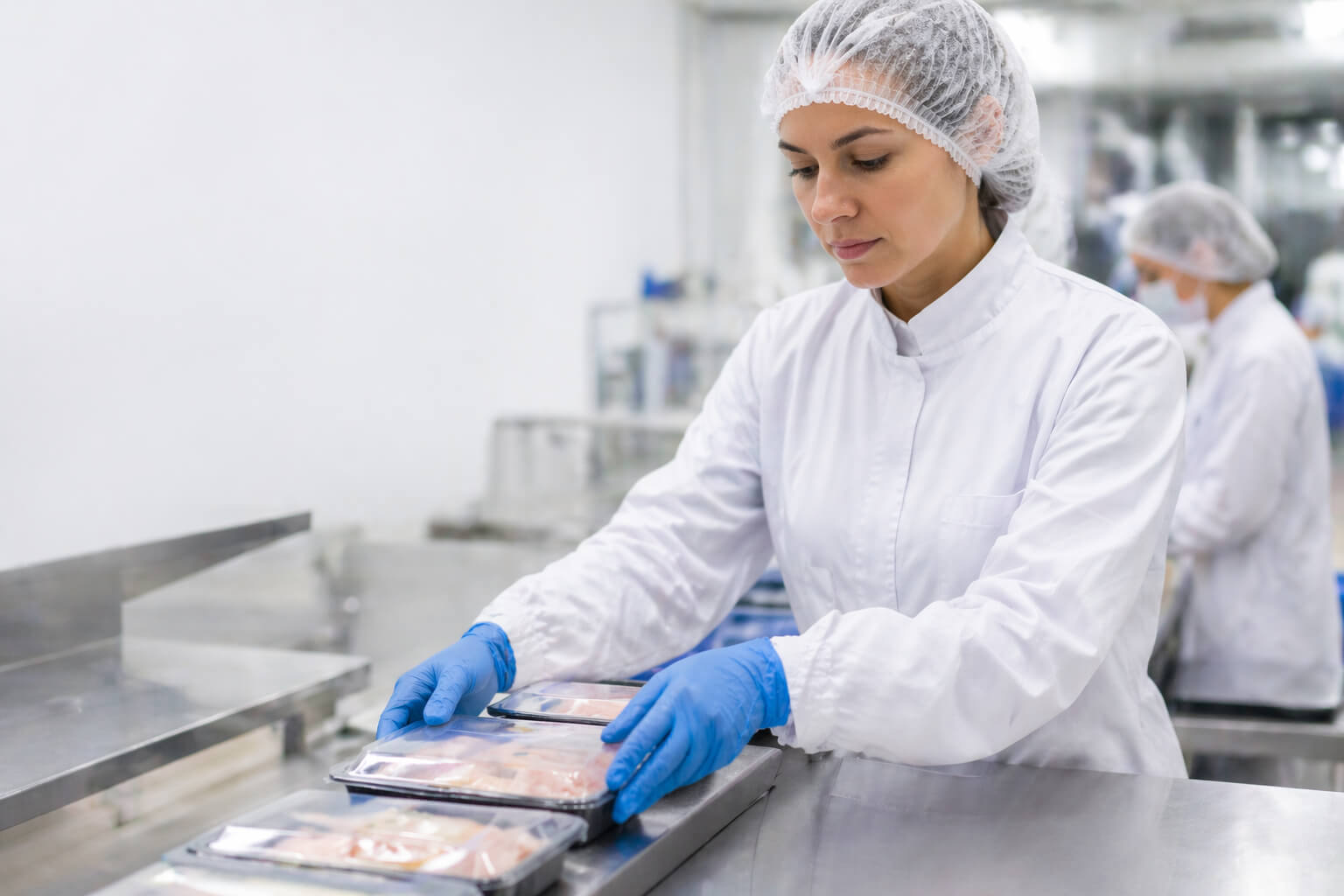
How to Choose the Right Disposable Gloves for Food Processing (2026 Guide)
Choosing the right disposable gloves for food processing isn’t just about protection—it’s about workflow efficiency, consistency across teams, and long-term cost control.
Most facilities don’t rely on a single glove. Instead, they use a combination of glove types to match different tasks across production, packaging, prep, and sanitation.
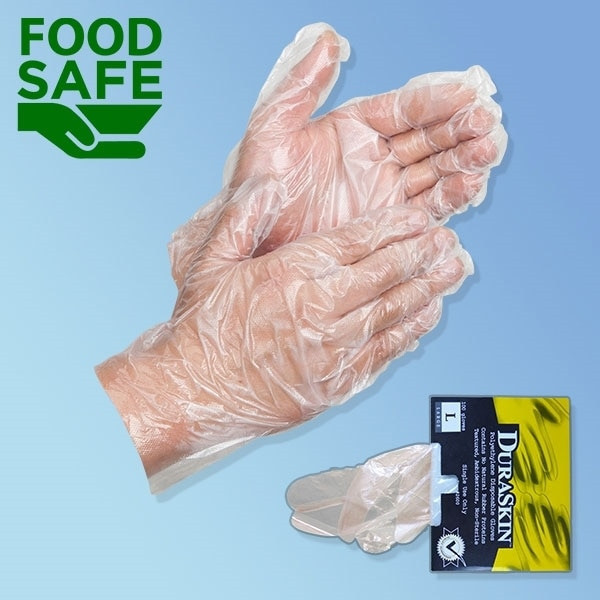
- Poly → lowest cost, fastest changes
- Vinyl → general prep tasks
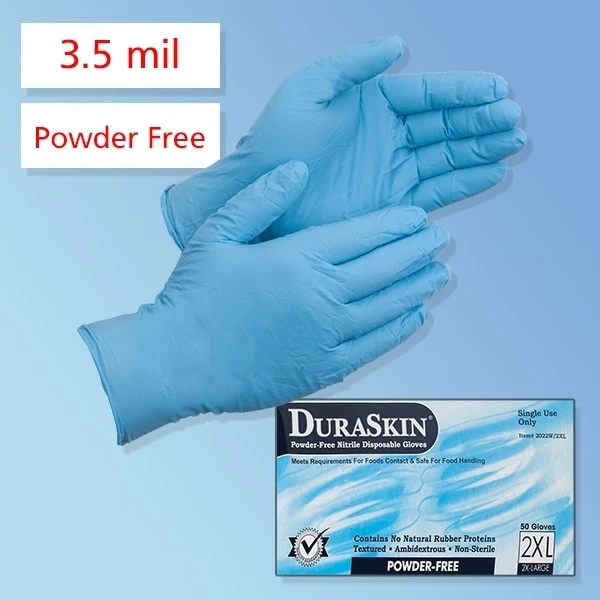
- Nitrile → best overall performance
- 6–8 mil nitrile → heavy-duty work
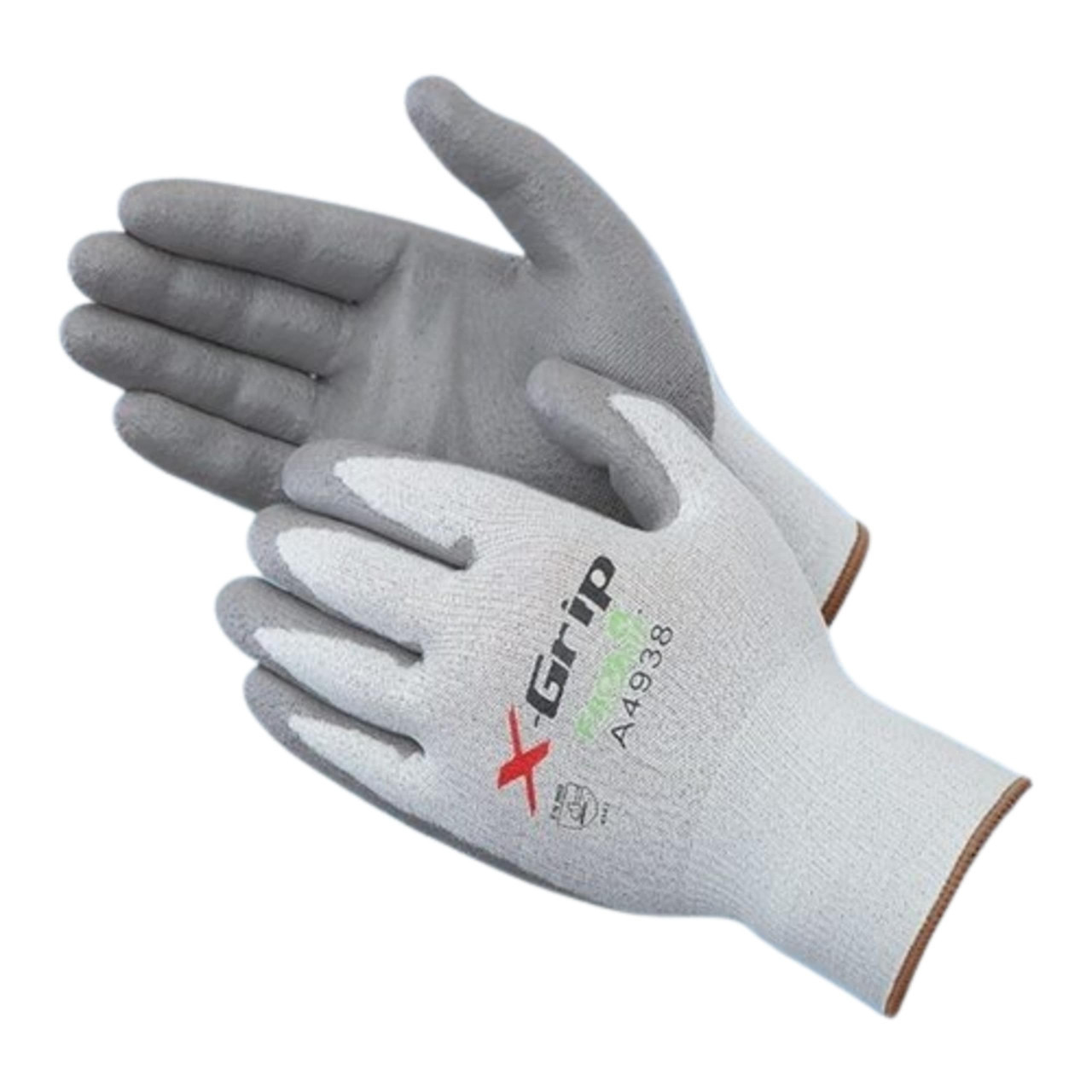
- Cut-resistant → knife tasks
For a full range of options designed for real facility workflows:
Browse Food Processing Disposable GlovesHow to Choose the Right Food Processing Gloves
The right glove depends on matching the product to the task—not treating all gloves as interchangeable.
- Task type: light prep vs heavy-duty processing
- Durability: thickness (mil rating)
- Comfort: important for long shifts
- Cost per use: critical at scale
- Frequency of change: impacts total spend
Most Facilities Use More Than One Glove Type
In real food processing environments, a single glove rarely fits every task. Most operations use a combination of gloves to balance cost, durability, and efficiency.
- Poly gloves for fast-changing prep tasks
- Nitrile gloves for general production
- Heavy-duty nitrile for tougher applications
- Cut-resistant gloves for knife work
This approach allows teams to stay efficient without overspending on high-spec gloves where they’re not needed.
Recommended 2–3 Glove System (High-Volume Facilities)
Standard Glove System Used by Many Facilities
Most food processing operations benefit from a simple 2–3 glove system:
- Primary Glove: 3–5 mil nitrile for general production
- Secondary Glove: Poly gloves for fast-change tasks
- Optional Add-On: 6–8 mil nitrile or cut-resistant gloves for specialized work
Why this works:
- Reduces cost by using high-performance gloves only where needed
- Improves workflow efficiency across departments
- Supports consistent purchasing and inventory management
Example Gloves by Use Case
These examples show how different glove types fit into real food processing workflows.

Bulk Buying & Procurement Tips
- Use multiple glove types to control cost
- Buy in bulk for lower unit pricing
- Standardize across teams to simplify ordering
Conclusion
The best glove isn’t one product—it’s the right combination of products working together across your facility.
Start by identifying your core glove system, then choose products that support efficiency, comfort, and consistent daily use.
Shop Food Processing Gloves