
Can You Reuse N95, KN95, and Surgical Masks?
Published by Harmony Lab & Safety Supplies on Apr 02, 2026
Can You Reuse N95, KN95, and Surgical Masks? What to Know About Reuse, Replacement, and Safer Alternatives
N95s, KN95s, and surgical masks are generally designed as disposable products. That means the safest default is to replace them when they are dirty, damp, damaged, or no longer fit properly. While limited reuse may be considered in some situations, that is not the same as normal best practice.
If you need reliable repeat wear over time, a reusable respirator may be the better long-term solution.
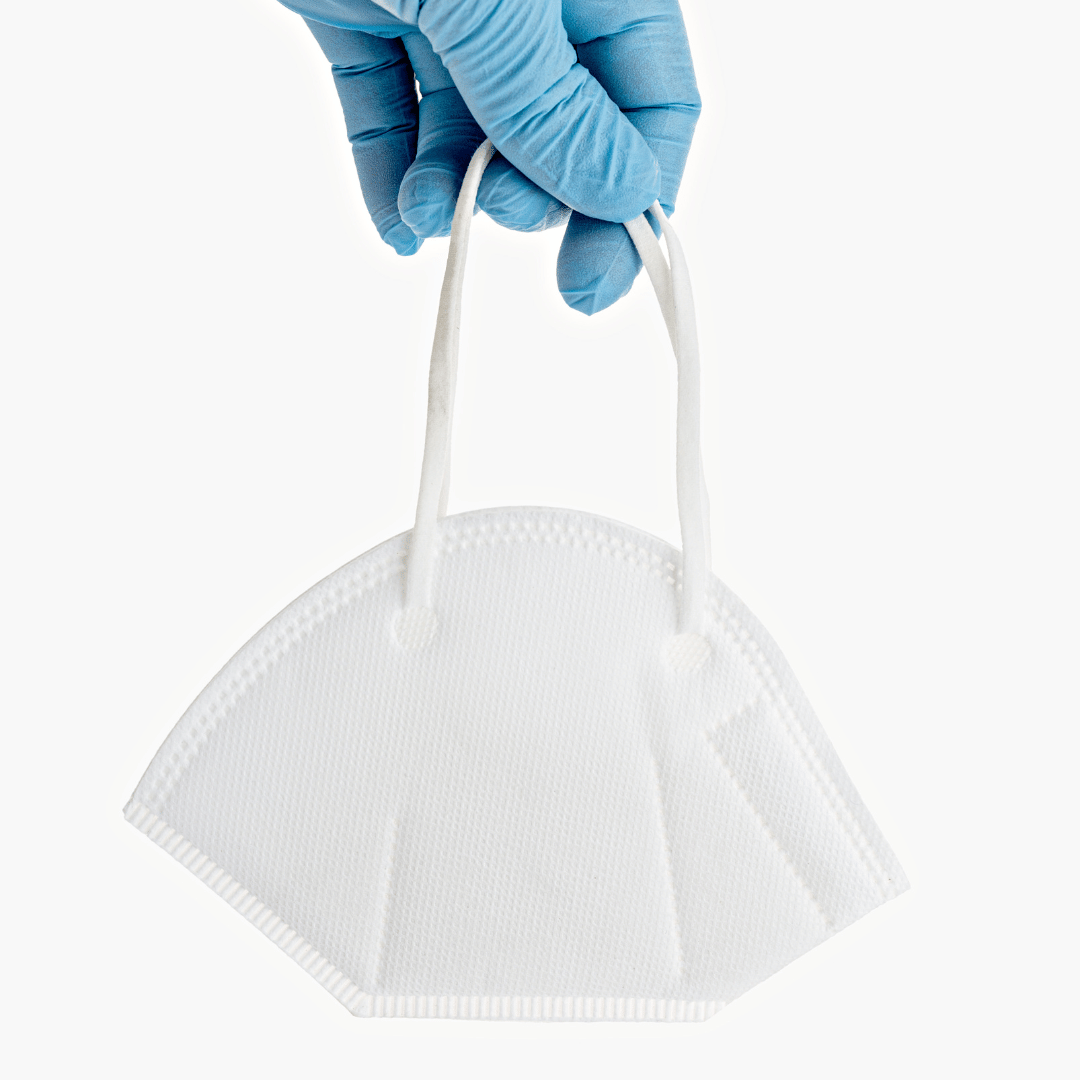
Short Answer: Are N95, KN95, and Surgical Masks Reusable?
Surgical masks: generally no
Surgical masks are generally treated as single-use disposable masks. If a surgical mask is soiled, damaged, or hard to breathe through, it should be discarded.
N95 masks: single-use by design, with limited reuse in some situations
N95 respirators are labeled as single-use, disposable devices. In some workplace or supply-conservation settings, limited reuse or extended use may be considered, but that should not be treated as the normal default.
KN95 masks: inspect carefully and follow product-specific guidance
KN95 masks are often discussed alongside N95s because they are both filtering facepiece respirators, but they are not regulated the same way. If reuse is being considered, follow manufacturer instructions when available and replace the mask if its fit, structure, or cleanliness is compromised.
Need repeat use? Consider a reusable respirator
If you expect repeated wear over time, it is often better to move to a reusable respirator with replaceable filters instead of trying to stretch the life of disposable masks beyond their ideal use case.
What Is the Difference Between N95, KN95, and Surgical Masks?
N95 respirators
N95 respirators are high-filtration filtering facepiece respirators designed to help reduce the wearer’s exposure to airborne particles when they fit properly.
KN95 masks
KN95 masks are also disposable filtering facepiece respirators, but they follow a different certification path than N95s. They can provide strong filtration when legitimate and properly fitted, but buyers should still purchase from reputable sources and follow product-specific instructions.
Surgical masks
Surgical masks are disposable medical masks used as a barrier against droplets, fluids, and microorganisms in healthcare settings. Their purpose is different from a tight-fitting respirator.
Why they should not be treated as interchangeable
These products may all cover the nose and mouth, but they are not designed around the same fit, filtration approach, or use case. That is why reuse guidance and replacement logic should not be treated as identical across all mask types.
Why Most Disposable Masks Are Not Designed for Reuse
They are intended as disposable products
The starting assumption should be simple: disposable surgical masks and N95 respirators are intended as disposable products.
Fit, filtration, and material can degrade over time
Repeated donning, removal, handling, and storage can weaken straps, reduce fit, deform the mask body, and lower reliability.
Moisture, soil, and handling reduce reliability
Dampness, makeup, sweat, visible dirt, and frequent touching can all reduce confidence in a mask’s condition and performance.
When Limited Reuse May Be Considered
Why limited reuse is not the same as everyday best practice
Limited reuse and extended use are usually discussed in the context of workplace respiratory protection programs or supply-conservation strategies, not as the ideal default for everyday users.
Why environment and mask condition matter
The right decision depends on where the mask was worn, what it may have been exposed to, and whether it still fits and functions correctly.
Why product-specific guidance still matters
When manufacturer instructions are available, those should take priority. Broad rules are less useful than product condition, fit, and intended use.
When You Should Replace a Mask Immediately
Replace the mask or respirator immediately if any of the following are true:
- It is visibly dirty or soiled
- It is wet or damp
- It has stretched, broken, or damaged straps
- It no longer fits snugly
- It is crushed, creased, torn, or misshapen
- Breathing through it has become harder
How to Handle and Store N95 or KN95 Masks Between Limited Uses
Handle by straps when possible
Touch the straps rather than the filtering surface when removing or repositioning the mask.
Avoid touching the inside of the mask
The interior should stay as clean as possible between uses.
Store in a breathable, clean location
Store the mask in a clean, breathable place such as a paper bag rather than a sealed airtight container, which may trap moisture.
Inspect before each reuse
Before wearing the mask again, check the fit, straps, surface condition, and overall shape. If anything looks compromised, replace it.
Are Surgical Masks Ever Reused?
Why surgical masks are generally single-use
Surgical masks are generally intended for single use and are not a good candidate for routine home decontamination or repeated wear.
Why at-home disinfection attempts are not ideal
Home methods like washing, spraying with alcohol, or improvised heat treatment can damage the mask’s structure or reduce effectiveness.
Why a fresh mask is usually the safer choice
If you are relying on a surgical mask, using a fresh one is usually the safer and simpler choice.
When a Reusable Respirator Is the Better Choice
For people who need repeated wear
If you wear respiratory protection often, a reusable respirator may make more sense than repeatedly purchasing disposable masks and trying to manage limited reuse.
For workplaces with ongoing respiratory protection needs
Many industrial and professional environments benefit from reusable respirators because filters and cartridges can be replaced while the facepiece remains in service.
For buyers who want replaceable filters instead of repeated disposable-mask purchases
Over time, reusable respirators can offer a more practical and cost-conscious path when repeat use is expected.
Comparing Disposable Masks and Reusable Respirators
| Option | Intended Use | Reusable? | Best Fit For | Shop |
|---|---|---|---|---|
| Surgical Masks | Disposable source control and medical barrier use | Generally no | Single-use healthcare and general barrier applications | Shop Now |
| KN95 Masks | Disposable filtering facepiece respirator | Limited reuse may be considered depending on condition and guidance | Shorter-term disposable respirator use | Shop Now |
| N95 Respirators | Disposable respirator with high filtration when properly fitted | Single-use by design; limited reuse may be considered in some settings | Disposable respirator protection where N95s are appropriate | Shop Now |
| Reusable Respirators | Reusable facepiece with replaceable filters or cartridges | Yes | Frequent-use respiratory protection and longer-term value | Shop Now |
Which Option Should You Choose?
- Need a disposable medical barrier mask: choose a surgical mask.
- Need a disposable respirator for specific airborne-particle protection needs: choose an N95 or KN95 that fits properly and comes from a reputable source.
- Need repeated wear over time: choose a reusable respirator.
Shop Masks and Respirators
Frequently Asked Questions About Reusing Masks
Can you reuse an N95 mask?
It is intended as a disposable respirator, but limited reuse may be considered in some settings depending on guidance, mask condition, and program requirements.
Can you reuse a KN95 mask?
Possibly in limited situations, but inspect it carefully and follow product-specific guidance. Replace it if fit, structure, or cleanliness is compromised.
Are surgical masks reusable?
Generally no. Surgical masks are usually treated as disposable, single-use products.
How do you store an N95 between uses?
Store it in a clean, breathable location, avoid crushing it, and inspect it before reuse.
When should you throw away a mask?
Discard it if it becomes dirty, wet, damaged, hard to breathe through, or no longer fits correctly.
Is a reusable respirator better than reusing disposable masks?
If you need repeat wear over time, yes, a reusable respirator is often the more practical option.
Final Recommendation
N95s, KN95s, and surgical masks are generally designed as disposable products, and they should be replaced when dirty, damp, damaged, or no longer fitting properly. Limited reuse may be considered in some situations, but it should not be mistaken for the default ideal.
If you need reliable repeat wear, a reusable respirator is often the better long-term solution. For shorter-term disposable protection, browse Harmony’s disposable respirators and face masks.