
Best Gloves for Doctors
Published by Harmony Lab & Safety Supplies on Apr 02, 2026

Best Disposable Gloves for Doctors: When to Choose Nitrile, Latex, or Vinyl
For most doctors, nitrile is the best all-around disposable glove material because it offers strong barrier protection, dependable durability, and a latex-free option for staff and patients. Latex still has advantages in comfort and tactile feel, while vinyl is best reserved for lower-risk, cost-sensitive tasks in clinical settings.
Choosing the right glove material is not just about preference. It affects barrier protection, comfort during long clinic days, allergy concerns, and the ability to perform exams and patient-care tasks safely and efficiently.
Short Answer: Which Glove Material Is Best for Doctors?
Best overall: nitrile
Nitrile is usually the best choice for doctors because it provides strong puncture resistance, good chemical resistance, and latex-free protection across a wide range of healthcare tasks.
Best tactile feel: latex
Latex is still valued for its comfort, flexibility, and tactile sensitivity, especially when fine motor control matters and latex allergy is not a concern.
Best budget option for lower-risk tasks: vinyl or blend gloves
Vinyl and nitrile/vinyl blend gloves can work for lower-risk, short-duration tasks where cost matters most, but they are generally not the best choice for higher-risk clinical work.
Why Glove Choice Matters for Doctors
Barrier protection during exams and patient care
Doctors rely on gloves to help protect themselves and their patients during direct care, routine exams, wound checks, diagnostic procedures, and other tasks involving possible contact with bodily fluids or infectious material.
Comfort during long clinic days
Gloves may be worn for long stretches or changed repeatedly throughout the day, so comfort, fit, and ease of donning matter more than many buyers realize.
Skin sensitivity and latex concerns
Frequent glove use can contribute to skin irritation, sweating, or discomfort. Material choice matters, especially in environments where latex sensitivity is a concern for staff or patients.
Balancing safety, dexterity, and cost
The best glove is the one that gives the right level of protection without making routine patient care, chart-to-patient transitions, or exam-room work harder than it needs to be.
Nitrile Gloves for Doctors: Best Overall Protection
Nitrile gloves are often the best overall choice for doctors because they provide a strong balance of protection, durability, and everyday comfort.
Why nitrile is the top choice for most doctors
Nitrile performs well across many physician workflows, from routine exams to higher-contact patient care where stronger barrier performance matters.
Benefits of nitrile gloves
- Strong puncture and tear resistance
- Good chemical resistance
- Latex-free material
- Dependable all-around durability
Potential downsides
- May cost more than vinyl or blend options
- Some users still prefer the feel of latex for certain tasks
Latex Gloves for Doctors: Comfort and Tactile Sensitivity
Latex gloves still have a place in healthcare where comfort and tactile sensitivity are top priorities.
Where latex still performs well
Latex can be a strong option for tasks that benefit from a close, flexible fit and excellent touch sensitivity, especially in environments where latex is still accepted.
Benefits of latex gloves
- Soft, comfortable fit
- Excellent tactile feedback
- Strong flexibility and dexterity
Downsides of latex in medical settings
- Latex allergy risk for staff or patients
- Not ideal in latex-free clinics or mixed environments
- May not be the best universal practice-wide default
Vinyl Gloves for Doctors: Best for Lower-Risk, Cost-Sensitive Use
Vinyl gloves and glove blends are typically the budget-focused option, but they are best used selectively.
Where vinyl can still make sense
Vinyl or blend gloves may be appropriate for lower-risk, short-duration tasks where frequent glove disposal is expected and high barrier performance is not the top requirement.
Benefits of vinyl gloves
- Lower cost
- Useful for basic, lower-risk tasks
- Suitable when gloves are changed very frequently
Why vinyl is not the best choice for higher-risk exam-room use
- Weaker barrier protection than nitrile
- Lower durability
- Not ideal for higher-exposure clinical use
Best Glove Material by Doctor Task
Best for routine exams
Nitrile is usually the best choice for routine exam-room use because it balances protection, durability, and latex-free compatibility.
Best for frequent glove changes in clinic settings
Nitrile or latex can both work well depending on practice preference, allergy policy, and the type of patient-contact tasks being performed.
Best for doctors with sensitive skin
Comfort-focused nitrile options are often the best choice for doctors who wear gloves frequently and want a latex-free option with better skin comfort.
Best for tactile precision and fit
Latex may offer the most natural feel when allergies are not a concern, while soft nitrile gloves are often the safer all-around choice in mixed patient environments.
Best for budget-conscious lower-risk tasks
Vinyl or nitrile/vinyl blend gloves may work for lower-risk applications where minimizing glove cost is a major concern, but they should not replace nitrile for higher-risk needs.
When Nitrile Is Worth the Extra Cost
Higher-risk patient-contact tasks
When exposure risk is higher, nitrile’s stronger barrier protection and durability often justify the added cost.
Latex-free clinics and mixed-patient environments
In practices where latex sensitivity is a concern, nitrile is usually the easiest and safest default choice.
When barrier performance matters more than lowest unit cost
If the goal is stronger all-around performance rather than the lowest-cost glove, nitrile is often the better long-term decision.
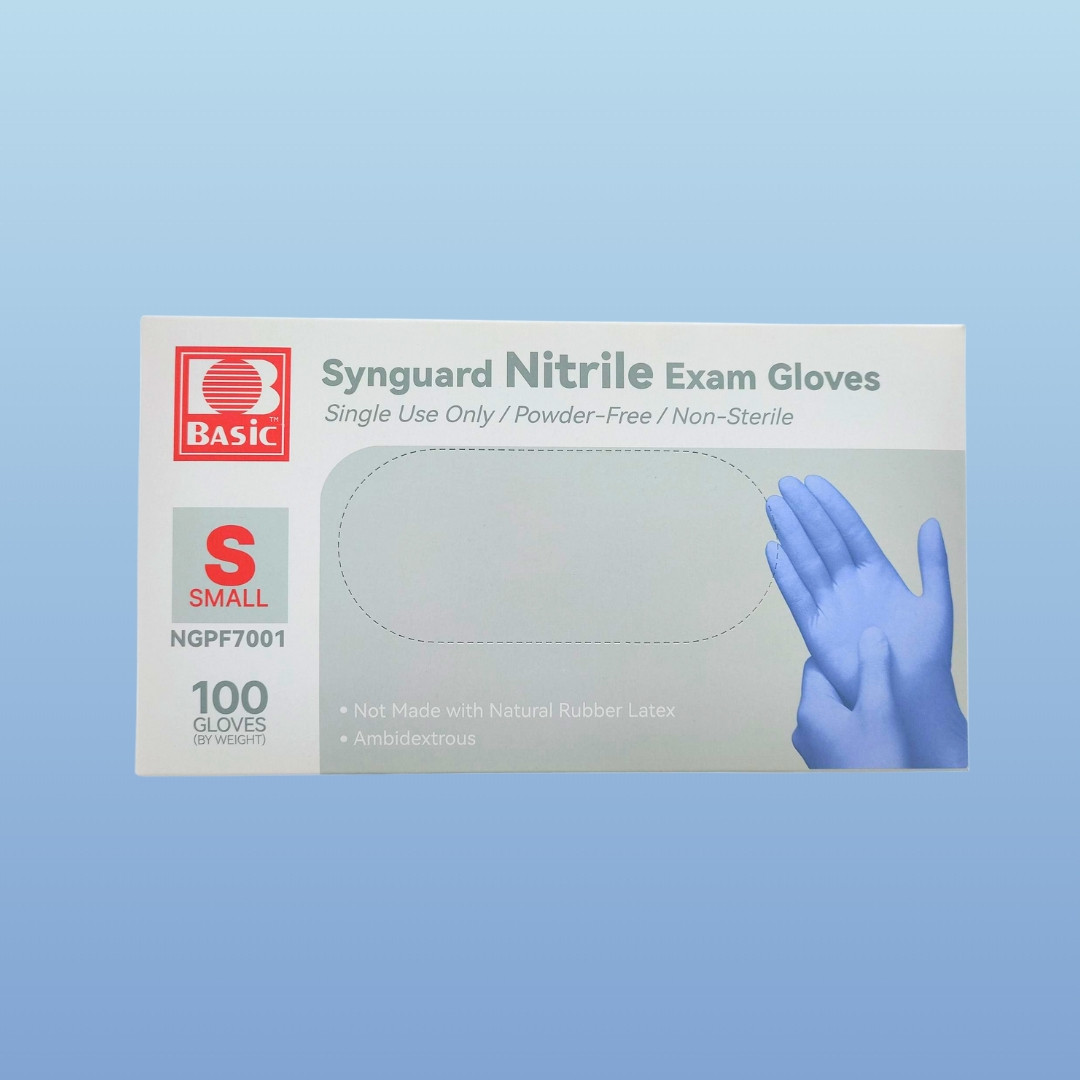
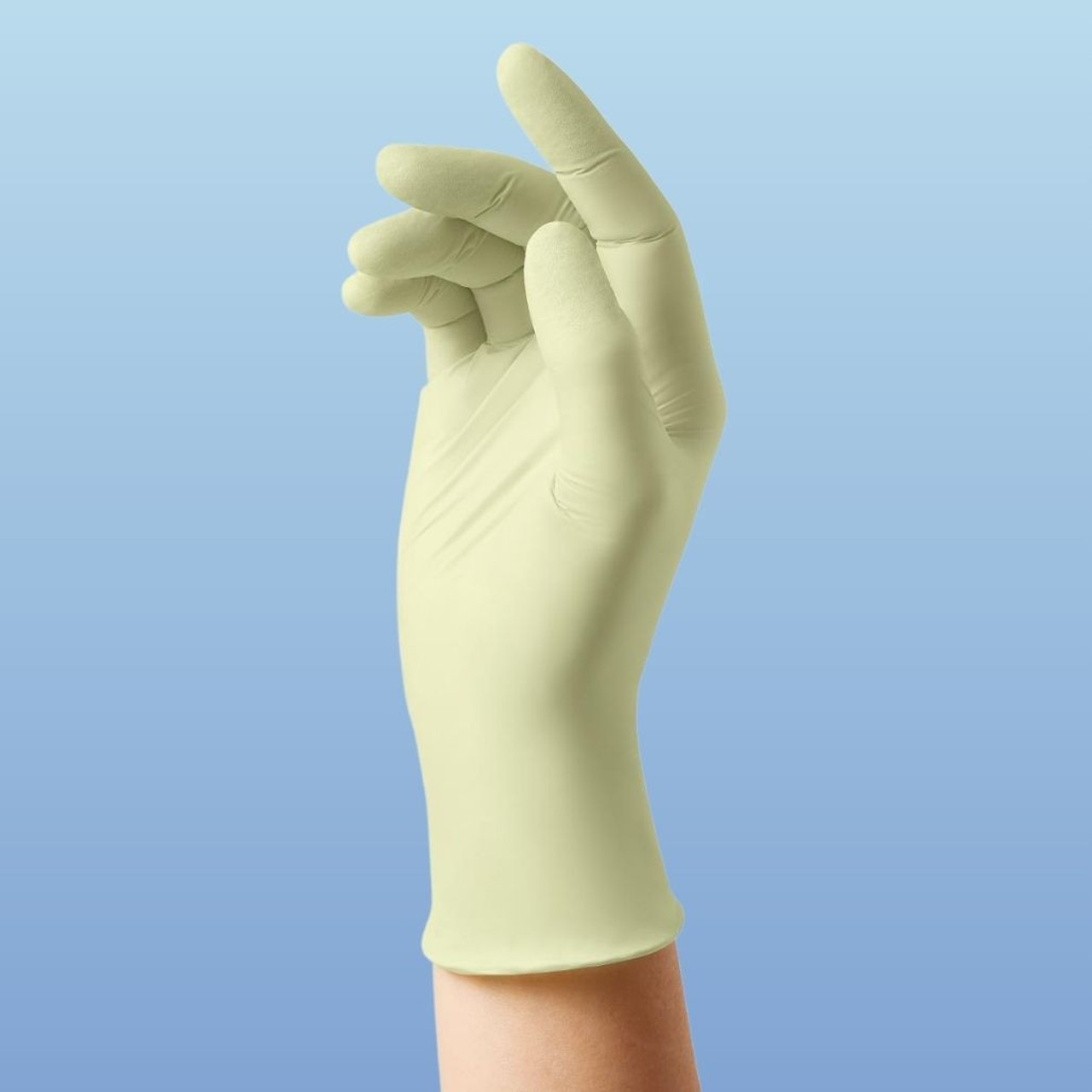
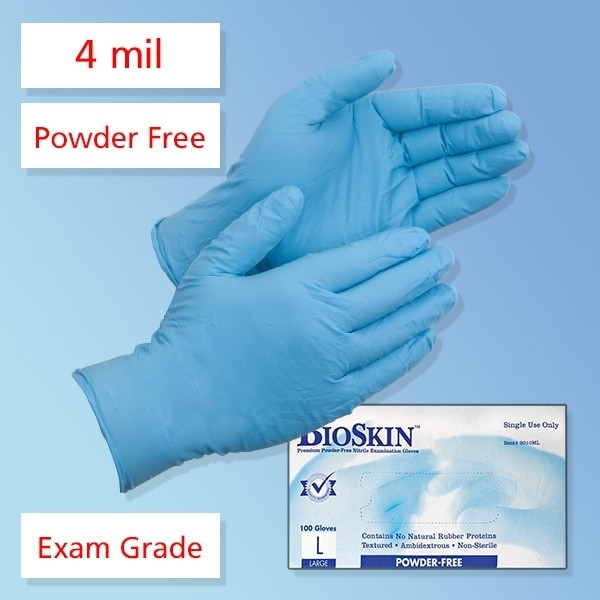
Top Disposable Glove Recommendations for Doctors




How to Choose the Right Doctor Gloves for Your Practice
- Want the best overall protection? Choose nitrile.
- Want comfort and tactile sensitivity and no latex concerns? Choose latex.
- Want a lower-cost glove for lower-risk tasks? Choose vinyl or a nitrile/vinyl blend.
- Want a latex-free glove for frequent exam-room use? Choose nitrile.
- Want a higher-spec glove for specialty clinical standards? Choose premium nitrile.
Where to Buy Quality Doctor Gloves Online
- Shop Medical Gloves
- Shop Nitrile Gloves
- Shop Latex Gloves
- Shop Vinyl Gloves
- Browse Medical-Grade PPE
Frequently Asked Questions About Gloves for Doctors
What are the best disposable gloves for doctors?
For most doctors, nitrile gloves are the best overall choice because they offer a strong balance of protection, durability, and latex-free safety.
Are nitrile gloves better than latex for doctors?
In many cases, yes. Nitrile is often preferred because it is latex-free and provides strong all-around barrier protection.
When should doctors use vinyl gloves?
Vinyl gloves are best for lower-risk, short-duration tasks where cost is a major factor and higher barrier performance is not required.
What gloves are best for doctors with sensitive skin?
Comfort-focused nitrile gloves are often the best option for doctors with sensitive skin, especially when latex avoidance is important.
Are latex gloves still used in clinics?
Yes, latex gloves are still used in some clinical settings, especially where tactile sensitivity and comfort are valued and latex allergy is not a concern.
What glove is best for routine exam-room use?
For most routine exam-room workflows, nitrile gloves are the strongest all-around choice.
Final Recommendation
For most doctors, nitrile gloves are the best overall choice because they offer the strongest balance of protection, durability, and latex-free safety. Latex still has a place where tactile sensitivity and comfort are prioritized and allergy concerns are not present. Vinyl is best reserved for lower-risk, cost-sensitive tasks in clinical settings.
If you want the strongest all-around path for doctor glove selection, start with medical gloves and focus first on nitrile gloves.