
Reusable Industrial Respirator Myths: Compliance, Fit, and Cartridge Schedules
Published by Harmony Lab & Safety Supplies on Apr 02, 2026
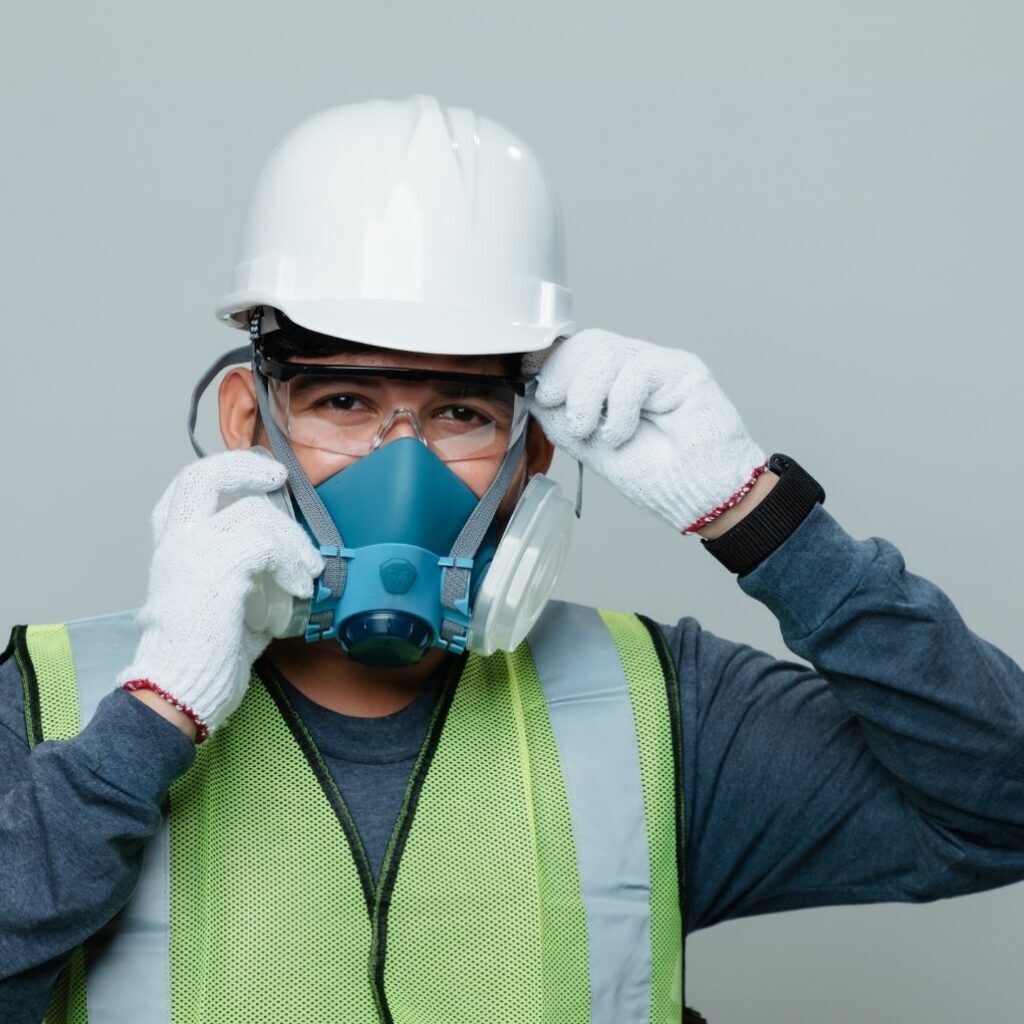
Industrial Respirator Myths Debunked: What Safety Buyers Get Wrong About Fit, Programs, and Cartridge Changes
In industrial environments, respirator problems often begin with bad assumptions. A team assumes voluntary use does not require written procedures. Someone believes facial hair will not affect fit. Workers wait until they smell chemicals before replacing cartridges. These myths do more than create compliance problems — they can lead to poor product choices, weaker protection, and avoidable risk.
This guide breaks down three common industrial respirator myths and explains what buyers, safety managers, and program owners should do instead. In many cases, the solution starts with choosing the right reusable respirator platform and matching it with the correct filters and cartridges for the hazard.
Why Respirator Myths Cost More Than People Think
Respirator mistakes can have consequences far beyond one worker wearing the wrong mask. Weak assumptions can lead to under-protection, poor cartridge selection, failed fit outcomes, and unnecessary replacement costs. For industrial buyers, these issues often show up as a mix of safety risk, program inconsistency, and avoidable spending.
- Unsafe assumptions can weaken protection: A respirator only works when the facepiece, filter, cartridge, and user conditions all match the hazard.
- Program mistakes can create compliance problems: Missing documentation, weak training, or unclear cartridge schedules can undermine the entire respiratory protection effort.
- Wrong product choices increase long-term cost: Buying the wrong respirator style or cartridge setup often leads to more frequent replacement, poor adoption, or the need to repurchase later.
Myth #1: Voluntary Use Means You Do Not Need a Real Program
What buyers often assume: If workers are choosing to wear respirators voluntarily, many companies assume they do not need a structured program or documented procedures.
What matters instead: Respirator use still needs to be managed thoughtfully. Selection, worker suitability, training, maintenance, and documentation all affect whether the product actually protects as intended. For safety managers, the real takeaway is that “voluntary” does not mean “informal.”
Why written procedures still matter
Even when respirator use begins as an extra precaution, teams still need consistent guidance on which respirators are appropriate, how they should be worn, and when filters or cartridges need to be replaced. Without a real process, workers may end up using the wrong facepiece, the wrong cartridge, or a poorly maintained unit.
What this means for product selection
If a respirator program is not clearly defined, buyers often default to the cheapest available product instead of the most appropriate one. That is where reusable respirators become especially important. They give safety teams a more consistent platform to standardize around, especially when paired with the right cartridges for the hazard.
Operational takeaway: Treat respirator selection as part of a real program, not a casual equipment decision.
Myth #2: Facial Hair Does Not Really Affect Respirator Performance
What buyers often assume: Many workers assume that light stubble, short beards, or facial hair near the seal area will not meaningfully change respirator performance.
What matters instead: Tight-fitting respirators depend on a reliable seal. When facial hair interferes with that seal, the respirator may not perform as expected, no matter how good the filter or cartridge is.
Why seal integrity matters
The performance of a reusable half-mask or full-face respirator depends on uninterrupted contact between the facepiece and the skin in the sealing area. If facial hair interferes with that contact, leakage can reduce the protection the worker actually receives.
When tight-fitting respirators are the wrong choice
If a worker cannot maintain a clean sealing area because of facial hair, a tight-fitting respirator may not be the best solution. In those cases, teams may need to consider alternatives such as a loose-fitting PAPR hood rather than forcing a poor facepiece match.
Match facepiece style to the worker, not just the hazard
Hazard selection is critical, but the worker’s ability to wear the respirator correctly matters just as much. A well-matched reusable respirator platform is not just about cartridge compatibility — it is also about whether the user can achieve and maintain the intended seal.
Operational takeaway: Respirator selection should account for both hazard type and real-world fit conditions.
Myth #3: You Can Wait Until You Smell Chemicals to Replace Cartridges
What buyers often assume: Some workers believe cartridge replacement can wait until they notice odor breakthrough. In practice, that assumption can create the biggest protection failure in the whole respirator setup.
What matters instead: Cartridge life depends on the hazard, concentration, humidity, temperature, and use conditions. That means waiting for smell is not a dependable replacement strategy.
Why odor is a poor warning sign
By the time a worker notices odor, the cartridge may already be performing poorly for the application. Odor is not a reliable cartridge management method, especially across different contaminant types and changing site conditions.
Why cartridge life changes with real-world conditions
Cartridge service life is not fixed. It changes based on contaminant load, environmental conditions, and how often the respirator is used. That is why industrial buyers need a cartridge plan, not guesswork.
Why a change schedule matters
A respirator is only as effective as the filter or cartridge attached to it. For many industrial programs, one of the most important buying and maintenance decisions is having the right replacement schedule and the right inventory of compatible cartridges on hand.
Operational takeaway: Build a cartridge replacement plan around the hazard and usage conditions, then stock the right replacement filters and cartridges to support it.
What the Right Respirator Setup Looks Like
Once the myths are removed, the next step is choosing a setup that makes sense for the hazard, the worker, and the work routine.
Reusable respirators for ongoing industrial protection
Reusable respirators are often the best fit when workers need repeated protection, cartridge flexibility, and a platform that can be matched more precisely to different hazards.
Disposable respirators for task-specific use
Disposable respirators can still be useful for specific particulate tasks or shorter-duration use cases, but they are not a substitute for a more capable reusable platform when gas, vapor, or cartridge-managed hazards are involved.
Filters and cartridges matched to hazard type
Filters and cartridges should be chosen based on the contaminant, exposure conditions, and respirator compatibility. The wrong cartridge can undermine an otherwise good facepiece choice.
Respirator and Cartridge Selection Guide
Use the table below as a practical starting point for matching common industrial hazards to respirator and cartridge types.
| Hazard | Recommended Setup | Filter / Cartridge Type | Why It Fits |
|---|---|---|---|
| Organic vapors / solvents | Reusable full-face respirator | OV/P100 cartridge | Supports vapor protection with particulate filtration where needed. |
| Acid gases | Reusable full-face respirator | AG / multi-gas cartridge | Better suited to gas hazards requiring cartridge-specific protection. |
| Dust / mist / particulates | Reusable half-mask or disposable respirator | P100 or task-appropriate particulate filter | Good for particulate-heavy tasks where reusable or disposable formats may work. |
| Paint spray / mixed aerosols | Reusable full-face respirator | OV/P100 cartridge | A strong fit for combined particulate and vapor exposure concerns. |
How to Build a Better Respiratory Protection Program
Good respirator programs are not built on product selection alone. They also depend on fit, training, documentation, and replacement planning. That is where the OSHA and safety-manager education side of this article matters most.
Fit testing, training, and documentation
A strong respiratory protection effort includes the right product, but also the right process. Buyers should think beyond the facepiece and make sure selection decisions fit into a broader program structure.
Choosing the right replacement schedule
Cartridges and filters should be managed as ongoing consumables, not afterthoughts. That means building replacement timing and spare inventory into the purchasing plan from the start.
Working with product specialists
When hazard conditions, fit issues, or cartridge compatibility questions get complicated, product guidance can help buyers avoid mismatched respirator setups and costly reordering later.
Order Reusable Respirators, Disposable Respirators, and Cartridges
Once the myths are cleared up, the next step is choosing a respirator setup that fits the hazard and the work environment. Harmony offers respirators and cartridge options for industrial buyers who need dependable protection and practical selection support.
- Reusable Respirators for elastomeric half-mask and full-face protection platforms
- Filters & Cartridges for particulate, vapor, and multi-gas applications
- Disposable Respirators for particulate-focused and task-specific use
Bulk pricing and quote support: Large orders may qualify for additional discounts. Build a quote or contact the sales team for help selecting respirators, cartridges, and bulk quantities for your program.
Frequently Asked Questions About Industrial Respirator Programs and Cartridge Use
Do voluntary respirator users still need a program?
Workplaces still need a structured approach to respirator use. Selection, training, fit, maintenance, and documentation all affect whether the respirator protects as intended.
Does facial hair really affect respirator fit?
Yes. Tight-fitting respirators depend on a reliable seal. Facial hair in the sealing area can interfere with that seal and reduce protection.
How often should respirator cartridges be changed?
That depends on the hazard, concentration, humidity, use conditions, and cartridge type. A real change schedule is more reliable than waiting for odor or guessing.
Can workers rely on odor to detect cartridge breakthrough?
No. Odor is not a dependable replacement trigger. Cartridges should be managed according to a replacement plan based on the hazard and the work conditions.
When should I choose a reusable respirator instead of a disposable one?
Reusable respirators are often the better choice when workers need cartridge flexibility, repeated use, or protection against hazards that go beyond simple particulate exposure.
How do I know which cartridge type I need?
Cartridge choice should match the contaminant and the respirator platform. When in doubt, work from the hazard first, then confirm compatibility with the respirator and filter system.
Final Recommendation
The safest respirator program starts by rejecting common myths. For many industrial buyers, that means choosing the right reusable respirator platform, matching filters and cartridges to the hazard, and building a replacement and fit strategy that does not rely on guesswork.
If your team needs a stronger respirator setup, start with a reusable platform and the right cartridge plan. That gives you a more reliable foundation for long-term worker protection than relying on assumptions, one-size-fits-all products, or odor-based replacement habits.