
Food Handling Gloves for Deli, Sandwich, and Food Prep: Choosing the Right Disposable Option
Published by Harmony Lab & Safety Supplies on Apr 01, 2026
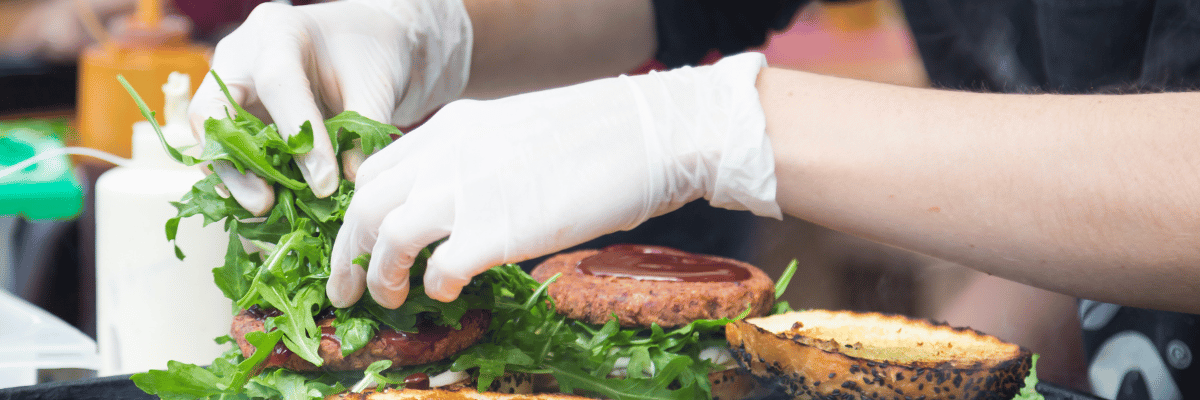
Food Handling Gloves for Deli, Sandwich, and Food Prep: Choosing the Right Disposable Option
In deli counters, sandwich stations, cafeterias, grocery prep areas, and other commercial food service settings, the right food handling gloves help support hygiene, faster glove changes, and more efficient food prep throughout the day. For many ready-to-eat tasks, disposable gloves are the standard because they are practical, easy to change, and well suited for busy prep workflows.
Not every disposable glove is the same, though. Some glove materials are better for quick sandwich assembly, while others are a stronger fit for greasy foods, longer wear, or more demanding prep tasks. In this guide, we will break down the main types of disposable food service gloves, explain when each one makes sense, and show why polyethylene gloves are often the best choice for high-volume deli and sandwich prep.
Why Food Handling Gloves Matter in Commercial Food Prep
In commercial food service, gloves are more than just a convenience. They are part of an efficient prep process designed to help reduce direct hand contact with ready-to-eat foods and support cleaner transitions between tasks.
Reducing direct hand contact with ready-to-eat foods
For sandwiches, deli items, salads, bakery products, toppings, and other prepared foods, gloves help create a barrier between the employee’s hands and the food being served. This is especially important in fast-moving service environments where consistency and hygiene matter.
Supporting frequent glove changes between tasks
Many food prep stations require gloves to be changed often throughout the shift. Whether switching between ingredients, moving from one prep task to another, or replacing torn or contaminated gloves, quick glove changes are part of everyday workflow in deli and sandwich operations.
Helping improve workflow hygiene in busy prep lines
The right glove helps staff move efficiently while supporting cleaner food handling practices. In high-volume environments, a glove that is easy to put on, easy to remove, and affordable to replace can make a meaningful difference.
Why Disposable Gloves Are the Standard for Deli and Sandwich Prep
For commercial food service operations, disposable gloves are usually the most practical choice. They are designed for single use, which makes them easier to replace throughout the day and better suited for fast-paced food prep lines.
Single-use convenience for busy stations
In sandwich shops, deli counters, cafeterias, and prepared food departments, staff often need gloves that can be changed quickly without slowing down the line. Disposable gloves support that kind of fast, repeatable workflow.
Better suited for high-volume glove changes
When glove changes happen frequently, reusable gloves are generally less practical than disposable options. Disposable food service gloves are made for quick replacement, which makes them a better fit for many commercial applications.
More practical than reusable gloves in commercial food service
Reusable gloves may have specialized uses in home kitchens or certain non-service applications, but most deli, sandwich, and ready-to-eat food prep operations rely on disposable gloves for convenience, workflow consistency, and easier glove changes between tasks.
Best Disposable Glove Types for Food Handling
The best glove for your operation depends on the kind of food you handle, how often gloves are changed, and how much durability or dexterity your team needs during prep.
Polyethylene food service gloves
Polyethylene gloves are a popular choice for sandwich making, deli prep, and other quick-change food handling tasks. They are lightweight, economical, and especially useful when gloves need to be changed frequently during the shift.
Vinyl food handling gloves
Vinyl gloves are a latex-free option often used for general short-duration food handling tasks. They can work well when you need an economical glove with a slightly more fitted feel than polyethylene.
Nitrile food handling gloves
Nitrile gloves are often the better option for greasy foods, longer wear, heavier prep work, and tasks where durability matters more. They offer a closer fit and better puncture resistance than many lower-cost alternatives.
Latex food service gloves
Latex gloves provide a snug fit and strong dexterity, which can be helpful for more detailed prep tasks. However, latex allergy concerns make them less suitable in some food service environments.
Why Polyethylene Gloves Are Often the Best Choice for Sandwich and Deli Prep
For many deli counters and sandwich stations, polyethylene food service gloves are often the most practical option. They are designed for exactly the kind of fast, repetitive handling common in ready-to-eat food prep.
Low cost for high-volume use
When your team goes through large numbers of gloves each day, cost matters. Polyethylene gloves are a strong choice for high-volume use because they help keep per-change costs low while still supporting quick glove replacement throughout the shift.
Fast on, fast off for frequent glove changes
In sandwich assembly, deli prep, and grab-and-go food stations, gloves often need to be changed quickly. Polyethylene gloves are especially useful in these workflows because they are easy to put on, easy to remove, and designed for rapid turnover.
Well suited for sandwich lines and ready-to-eat prep
For tasks like assembling sandwiches, handling bread, placing toppings, prepping deli items, or serving ready-to-eat foods, polyethylene gloves are often the operationally smart choice.
A practical option for bulk purchasing
Because they are often used in large quantities, polyethylene gloves are also a natural fit for bulk buying. That makes them attractive for delis, cafeterias, restaurant chains, grocery prep teams, and other operations managing frequent restocking needs.

Featured Option: Economical Polyethylene Food Service Gloves
Disposable Food Service Gloves, Plastic Restaurant Glove, 1.25 mil, One Size Fits Most, 100/pack
If your operation needs a simple, low-cost glove for quick sandwich assembly, deli work, and other frequent-change tasks, this polyethylene option is a strong fit. It is designed for high-turnover food prep environments where speed, convenience, and bulk value matter.
How to Choose the Right Food Handling Gloves for Your Operation
The best glove choice depends on how your prep line works and what kind of food handling your team does most often.
Consider the prep task
For sandwich assembly, topping placement, deli counter work, and other fast-change ready-to-eat tasks, polyethylene gloves are often the most practical choice. For longer prep sessions or heavier food handling, a more durable material like nitrile may be worth considering.
Think about change frequency
If gloves are being changed frequently throughout the shift, economical single-use gloves can be the better operational choice. In many high-volume environments, fast-change convenience matters just as much as glove cost.
Match the glove material to comfort and durability needs
Polyethylene works well for quick tasks. Vinyl offers a latex-free alternative for general use. Nitrile is stronger for more demanding prep, while latex offers flexibility where allergy concerns are not an issue.
Account for latex-free requirements
Many food service buyers prefer latex-free options to simplify purchasing and reduce allergy concerns. Polyethylene, vinyl, and nitrile all provide latex-free glove paths depending on the task.
When Nitrile, Vinyl, or Latex May Be a Better Fit
While polyethylene gloves are often the best match for high-volume sandwich and deli prep, other glove materials may make more sense in certain situations.
Choose nitrile for greasy foods or heavier prep
If staff are handling oily ingredients, working longer in the same pair, or performing more demanding prep tasks, nitrile gloves may be the better option because they offer more durability and a closer fit.
Choose vinyl for economical short-term general food handling
Vinyl gloves can work well when you want a latex-free glove for general short-duration tasks and prefer a more fitted feel than polyethylene.
Choose latex for dexterity when allergy concerns are not an issue
Latex gloves can provide a comfortable fit and strong dexterity, but they are not ideal in environments where latex sensitivity may be a concern.
Are Reusable Gloves Used in Commercial Food Service?
Reusable gloves may be used in some home kitchen or specialty task settings, but for most deli counters, sandwich lines, and commercial food prep workflows, disposable gloves are the more practical standard. They are easier to replace, better suited for frequent glove changes, and more aligned with fast-paced ready-to-eat prep operations.
Frequently Asked Questions About Food Handling Gloves
- What gloves are best for sandwich making?
- For many sandwich stations and deli counters, polyethylene food service gloves are a strong choice because they are economical, easy to change, and well suited for quick ready-to-eat food handling.
- Are polyethylene gloves good for deli prep?
- Yes. Polyethylene gloves are often a practical option for deli prep and sandwich assembly, especially in workflows where gloves are changed frequently and bulk value matters.
- How often should food service gloves be changed?
- Disposable food service gloves should be replaced whenever tasks change, when moving between different foods as needed, or immediately if the gloves become torn or contaminated during use.
- Are disposable gloves better than reusable gloves for commercial food prep?
- For most deli, sandwich, and ready-to-eat commercial food prep workflows, disposable gloves are generally the more practical choice because they are designed for quick replacement and high-volume use.
- What is the difference between polyethylene, nitrile, vinyl, and latex food gloves?
- Polyethylene gloves are best for quick-change, economical food prep. Nitrile offers better durability and fit. Vinyl is a latex-free option for general short-duration tasks. Latex offers strong dexterity but may raise allergy concerns.
- Are latex-free gloves available for food handling?
- Yes. Polyethylene, vinyl, and nitrile gloves are all latex-free options commonly used for food handling depending on the application.
Final Recommendation
For deli counters, sandwich stations, cafeterias, and other high-volume ready-to-eat prep environments, disposable gloves are usually the most practical choice. They support quick changes, help streamline workflow, and fit the pace of commercial food service.
For many of these tasks, polyethylene food service gloves are often the best fit because they combine low cost, fast replacement, and bulk-friendly value. If your operation needs a simple glove for frequent-change sandwich and deli prep, they are an excellent place to start.
If you need a different balance of fit, durability, or protection, you can also explore our broader disposable gloves selection for nitrile, vinyl, and latex options.